Jake Bauers Delivers 3 Major Postseason Shocks to Reshape the NLCS
Milwaukee slugger Jake Bauers has taken center stage in the National League Championship Series against the Los Angeles Dodgers. From an epic duel chasing Yoshinobu Yamamoto to a dramatic go-ahead home run, here is how Bauers reshaped October.
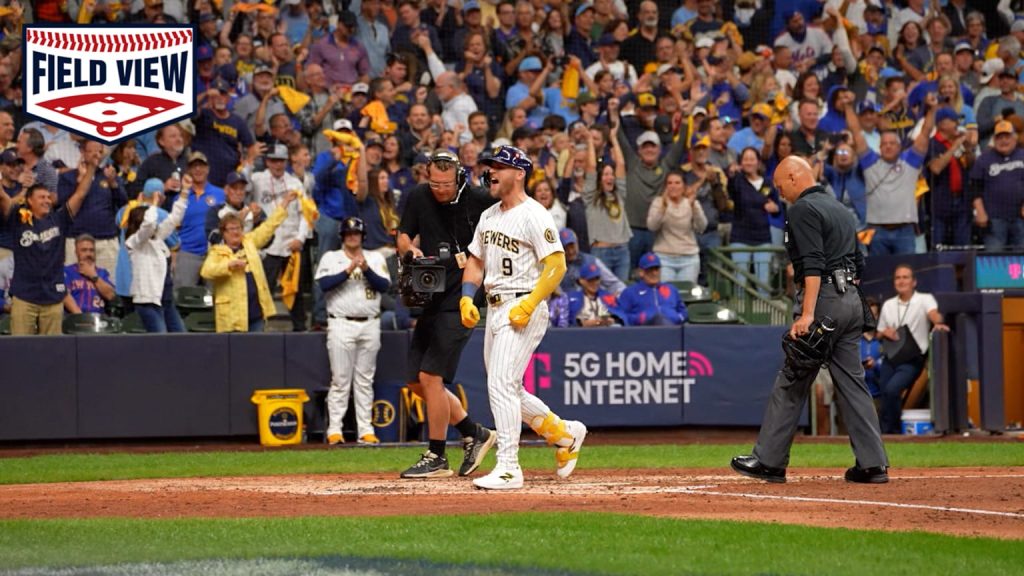
When Milwaukee Brewers slugger Jake Bauers stepped into the batter’s box against the Los Angeles Dodgers, few predicted he would dismantle October expectations so violently. In an autumn tournament dominated by hundred-million-dollar megastars and generational pitching talent, the gritty veteran has carved his imprint onto the 2026 National League Championship Series. His sudden ascension from a dependable platoon bat into a primary offensive engine highlights how volatile postseason baseball can be. Across two electric weeks, the Brewers established commanding control of the series, propelled forward by timely heroics and masterclass at-bats that rattled the reigning champions.
Playoff baseball rarely adheres to regular-season scripts. As Milwaukee established an authoritative 2-0 series cushion and pushed forward into deep October, national analysts and casual spectators found themselves tracking every swing from an unexpected hero. The sheer gravity of Bauers’ presence at the plate has disrupted the strategic gameplans prepared by Los Angeles manager Dave Roberts, forcing the Dodgers to burn high-leverage arms earlier than anticipated and exposing cracks in an otherwise formidable pitching foundation.
The NLCS Stage and the Unraveling of Yoshinobu Yamamoto
The turning point of Milwaukee’s early dominance arrived during a relentless offensive surge that altered the trajectory of the series. As detailed by the Milwaukee Journal Sentinel, Jake Bauers turned what seemed like a routine plate appearance into an epic confrontation that helped chase Japanese ace Yoshinobu Yamamoto from the mound in only the third inning. Yamamoto, signed to a historic contract to anchor the Dodgers during high-stakes autumn afternoons, entered the contest expected to dominate with his signature splitter and pinpoint curveball command. Instead, he met an immovable object in the batter’s box.
Analytical coverage from Brew Crew Ball highlighted how the showdown became a psychological war of attrition. Pitch after pitch, Bauers refused to expand the strike zone against Yamamoto’s elite arsenal. He fouled off competitive borderline offerings, spoiled chase pitches barely skimming the dirt, and visibly ratcheted up the pitch count of the Los Angeles starter. By the time the dust settled, Yamamoto found his energy depleted and his command unraveling under the sustained pressure. Forcing an early exit for an opposing ace in the third frame is a devastating tactical blow in October, shifting enormous strain onto the opponent’s bullpen while energizing the entire dugout.
The visual impact of that confrontation resonated across national broadcasts. Rather than swinging aggressively at early-count strikes, Milwaukee adopted an organized, clinical approach spearheaded by Bauers. When an ace is forced to throw double-digit pitches to a single batter with men on base, defensive posture shrinks and pitch efficiency vanishes. Chasing Yamamoto early not only secured an early advantage in the game but set off a domino effect that compromised the Dodgers’ bullpen availability for subsequent matchups.
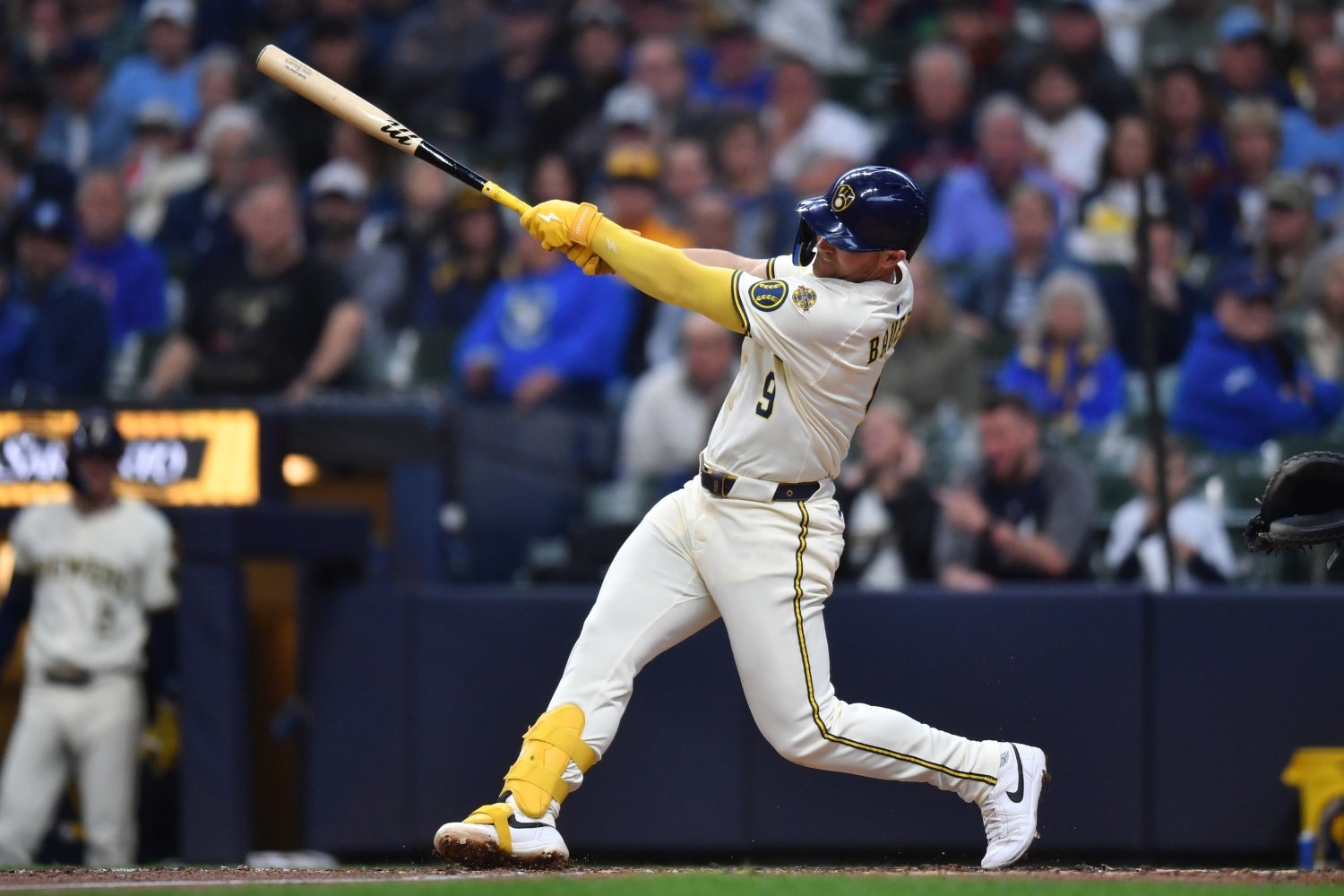
3 Crucial Turning Points That Redefined the Milwaukee Series Lead
Milwaukee’s postseason run has been defined by precise execution under duress, with Bauers serving as the catalyst during three unmistakable sequences that shifted the series balance.
The Exhausting Pitch Battle That Chased the Dodgers Ace
During the pivotal early innings of Game 2, the disciplined approach of Jake Bauers forced the Japanese right-hander into deep counts that completely altered the managerial calculus for Los Angeles. Confronting high-velocity four-seam fastballs paired with devastating secondary offerings, Bauers laid off tempting pitches out of the zone while spoiling unhittable strikes deep into foul territory. The marathon battle sapped Yamamoto’s stamina, elevating his pitch count to unsustainable heights and forcing Los Angeles to call upon middle relievers far earlier than planned. That singular sequence broke the game open and established Milwaukee’s identity as a relentless, unforgiving lineup.
The Go-Ahead Postseason Blast at Dodger Stadium
Discipline laid the groundwork, but raw power delivered the knockout punch in enemy territory. According to MLB.com coverage, Jake Bauers delivered a dramatic go-ahead home run during the October 14 showdown against the Dodgers that stunned the home crowd in Southern California. The blast did not merely alter the scoreboard; it arrived in the late frames when postseason pressure is at its absolute peak. Launching a high-leverage drive into the pavilions punctuated Milwaukee’s resilience and validated the club’s offensive strategy of hunting specific pitches in advantage counts.
The Masterclass Breakdown with John Smoltz on National Television
The significance of these clutch plate appearances was spotlighted following Milwaukee’s triumph to take a 2-0 series lead. In an extensive segment broadcast on FOX Sports featuring Jake Bauers alongside Hall of Fame pitcher John Smoltz, the slugger broke down the micro-adjustments, visual tracking, and mental endurance required to conquer elite velocity in October. Smoltz praised Bauers’ poise, noting that his ability to maintain lower-half balance against devastating off-speed pitches represented elite fundamental hitting. The national television breakdown gave fans a rare, technical glimpse into how preparation meets opportunity when the stakes are highest.
Free Agency Valuation and the Winter Market Dilemma
The timing of this postseason explosion carries massive financial ramifications. As Yahoo Sports highlighted in its October analysis, Jake Bauers is quickly establishing himself as an attractive target for contending clubs heading into the winter market, emerging alongside high-leverage arms like Dodgers reliever Alex Vesia as impending free agents drawing significant front-office interest. Organizations searching for offensive upgrades and versatile left-handed thump, including the Minnesota Twins, are monitoring his postseason performances closely as they structure their winter payroll strategies.
Evaluating an impending free agent who peaks in October presents front offices with a delicate balancing act. Clubs often run the risk of overpaying for short-term playoff heroics, confusing a hot streak with sustainable baseline performance. Navigating high-volatility investments requires an acute awareness of market exposure and risk thresholds, very similar to how institutional investors evaluate fixed-income volatility and portfolio preservation. In baseball as in capital allocation, understanding risk horizons is essential, a framework explored in depth through Bond duration mechanics and 4 proven rules that prevent devastating portfolio losses. Front offices that balance patience with calculated aggression will decide whether Bauers represents a transformative core signing or a specialized platoon asset.
For teams seeking reliable corner outfield and first-base production without committing nine-figure long-term contracts, Bauers offers undeniable appeal. His demonstrated ability to handle premium pitching, sustain prolonged plate appearances, and perform under the glare of playoff spotlights provides a template that modern front offices prioritize. As analytical models increasingly emphasize swing decisions and contact quality over raw batting averages, Bauers’ stock continues to climb with every postseason round.
The Anatomy of an Unlikely October Hero
The postseason transformation of Jake Bauers demonstrates how plate discipline, mental toughness, and strategic execution can dismantle the most formidable pitching staffs in baseball. Throughout his professional career, Bauers has navigated the turbulent landscape of major league adjustments, roster shuffles, and evolving roles. Reaching the peak of the sport during the National League Championship Series validates years of mechanical refinements and situational preparation.
Milwaukee’s run through the bracket has proven that championship baseball is rarely decided solely by payroll size or celebrity rosters. It is won on the margins, through fifteen-pitch grinds, tactical bullpen burns, and unhesitating swings in late innings. By staring down Yoshinobu Yamamoto, crushing critical home runs in hostile territory, and stepping into the national spotlight with quiet poise, Bauers has ensured that whatever happens through the remainder of this autumn classic, his name will remain etched in the definitive history of the 2026 postseason.