Borussia Dortmund Faces 4 Major High Stakes Decisions in Arctic Champions League Clash
Borussia Dortmund anchored their future by handing Niko Kovac a contract through 2029 just as an Arctic test against Bodø Glimt arrived. Here is the strategic breakdown of a defining European night.
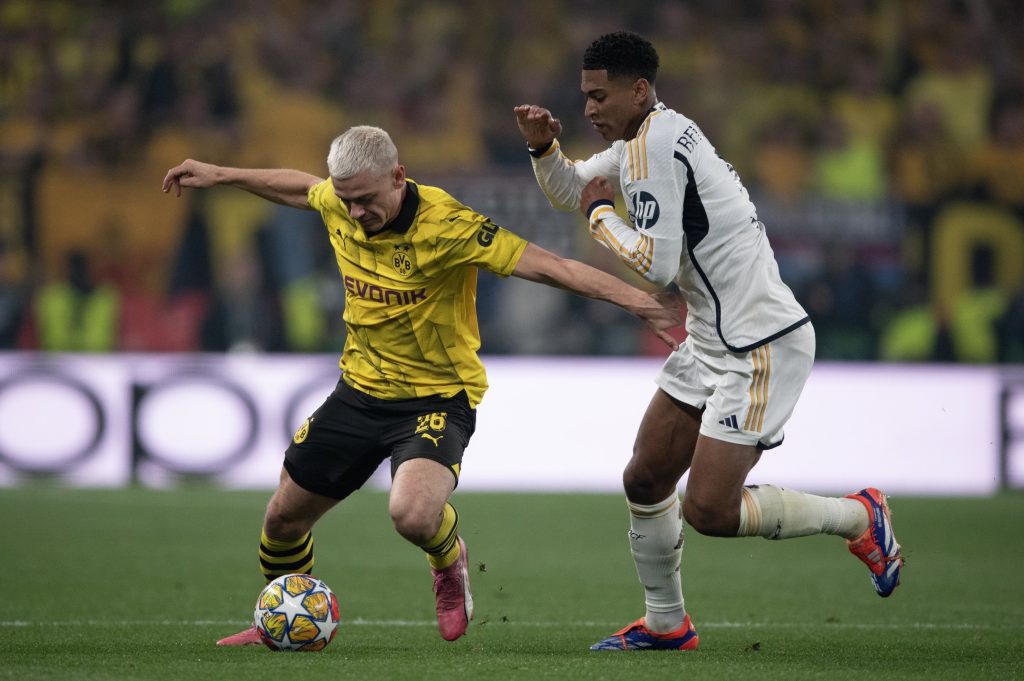
When Borussia Dortmund stepped onto the icy terrain of northern Norway to battle FK Bodø/Glimt, continental football witnessed a rare collision of long-range executive planning and immediate, high-stakes sporting peril. Across the European landscape, matchday evenings usually focus strictly on the immediate ninety minutes, yet this trip north arrived enveloped in institutional headlines that shifted the club’s narrative axis for years to come.
As live text commentary and match statistics rolled out across BBC Sport, global attention fixated on more than merely surviving the treacherous Arctic environment of Aspmyra Stadium. Just twenty-four hours before kickoff, the German powerhouse completed an extraordinary front-office maneuver that stunned European football observers and settled months of relentless media speculation.
The Long Term Executive Bet on Niko Kovac Through 2029
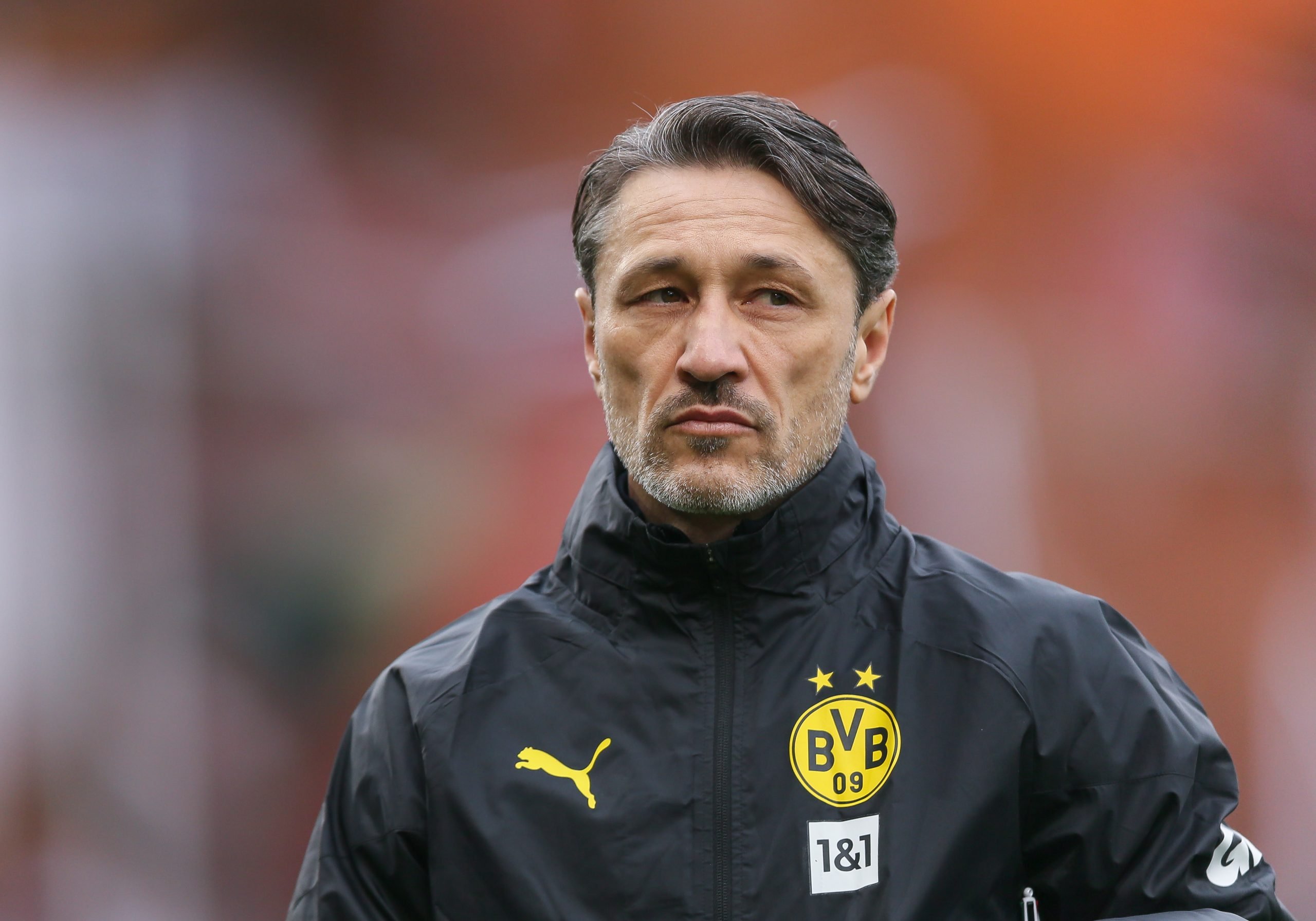
In an era defined by reactive hiring cycles and microscopic managerial lifespans, the signal sent from Westphalia was unmistakable. According to official reporting from Goal.com, Borussia Dortmund have settled their long-term managerial picture by confirming an extension for head coach Niko Kovac through 30 June 2029. Handing a manager an agreement spanning deep into the decade represents a massive organizational endorsement, signaling that the hierarchy intends to insulate their sporting leadership from tournament volatility.
The announcement arrived at a fascinating juncture. Rather than waiting for the conclusion of their UEFA Champions League campaign or calibrating negotiations based on domestic league table fluctuations, club directors finalized the paperwork on the eve of one of their most logistically challenging away fixtures. Kovac, known for his relentless tactical conditioning and structured defensive expectations, now possesses an ironclad foundation to reshape the squad in his image. The Croatian tactician has experienced turbulence across various European stops, but this multi-year commitment proves the board views his blueprint as the structural bedrock for their long-term sporting ambitions.
Four Critical Dimensions Shaping the European Clash
Stepping into Aspmyra Stadium against FK Bodø/Glimt is widely acknowledged among continental tacticians as one of the most deceptively dangerous assignments in modern sport. Understanding the layers of this particular fixture requires dissecting both the geographical anomalies of northern Norway and the tactical calibrations engineered specifically for this Champions League showdown.
The Arctic Environment and Artificial Turf Variable
Situated well above the Arctic Circle, Bodø provides an atmospheric challenge unlike any standard Bundesliga venue. As outlined in extensive pre-match coverage by Sports Mole and Athlon Sports, the combination of sub-zero coastal winds and a fast artificial playing surface fundamentally alters ball mechanics, sprint recovery times, and passing velocity. Bodø/Glimt have built a formidable continental reputation on this exact pitch, frequently humiliating established European giants who arrive unprepared for the jarring bounce and rapid transitions required on synthetic turf. Surviving such conditions demands psychological toughness and flawless spatial management from the opening whistle.
Defensive Architecture with Inacio in the Starting Eleven
Team selection took on heightened tactical relevance as kickoff approached. Prior to kickoff, as confirmed by Yahoo Sports, Borussia Dortmund finalized their lineup featuring Inacio in the starting eleven, instantly signaling Kovac’s strategic response to the dynamic Norwegian counter-attack. Inserting Inacio into the defensive core provided enhanced distribution from the back line while adding critical recovery pace against Bodø/Glimt’s aggressive wide forwards. In matches where the pitch accelerates transitional play, having a composed, aerially dominant presence capable of breaking pressing lines with forward passes often dictates whether an away side dictates tempo or gets pinned into desperate clearance drills.
Narrative Framing and Institutional Perceptions
Modern sporting scrutiny does not exist in a vacuum; it is shaped by cognitive framing and real-time narrative projection. Just as visual storytelling relies on contextual juxtaposition—a concept rooted in the Kuleshov effect mechanics and 4 proven rules that create unforgettable film performances—football analysis often shifts its perception of a squad based on the backdrop against which they compete. Place a football squad against the stormy northern skies with the news of an administrative contract extension hovering over their heads, and every pass becomes an existential evaluation of the club’s corporate confidence. When Kovac makes a substitution or gestures from the touchline, cameras interpret his demeanor through the lens of a coach whose authority has been officially fortified through 2029.
Continental Math and Tournament Knockout Leverage
The updated Swiss-model league phase in the UEFA Champions League eliminates the luxury of dead rubbers or passive away performances. Every point, goal differential margin, and away result ripples directly across a 36-team super table. BBC live match trackers illustrated the razor-thin margins separating direct qualification for the round of sixteen from the perilous extra playoff round. A stumble in northern Norway would not merely represent an embarrassing headline; it would inflict structural damage on the club’s continental seeding, adding grueling extra fixtures to an already congested calendar. Managing game state, preserving possession during hostile spells, and executing set pieces became mandatory baseline requirements.
Global Broadcast Scrutiny from the Arctic Circle
The worldwide fascination with the fixture was reflected in extensive international broadcast preparation. Media outlets including Athlon Sports published detailed streaming and television broadcast breakdowns to serve audiences across multiple continents, illustrating how deeply American and international audiences have engaged with Champions League matchdays outside traditional football hotbeds. The proliferation of digital streaming networks and multi-platform tracking tools means that peripheral fixtures contested in remote geographic locations receive prime-time analytical scrutiny.
BBC live text commentary and match statistics highlighted the tactical resistance offered by the Norwegian hosts, underscoring why Borussia Dortmund could not afford complacency in possession. Bodø/Glimt do not operate like conventional domestic underdogs who park a defensive low block; instead, Kjetil Knutsen’s squad presses with relentless collective synchronicity. Every passing lane had to be evaluated with extreme precision, as turnovers on synthetic surfaces transform into scoring opportunities in the blink of an eye. The physical output required to match Bodø’s work rate tested the visitors’ early-season aerobic conditioning to its absolute limit.
Building Sustainable Momentum Beyond Matchday Fixtures
Beyond the immediate ninety minutes in Bodø, the broader picture reflects a club attempting to break free from cyclical instability. For years, European observers viewed the Westphalian outfit as a transitional springboard—a world-class developmental platform where transcendent young talents and emerging managers achieved prominence before moving toward domestic or continental rivals. Securing Kovac through the decade’s end signals that the leadership at Borussia Dortmund prioritizes methodical continuity over the volatile hiring-and-firing cycles that dominate contemporary sports.
Continuity alone does not yield trophies, but it creates institutional clarity. When players understand that the coaching staff possesses total institutional backing, accountability within the dressing room solidifies. Young talents entering the system recognize that tactical philosophies will not be dismantled at the first sign of winter adversity, while veteran leaders can commit fully to structured tactical patterns without fearing managerial churn. That psychological security proves invaluable when navigating hostile European venues, hostile domestic rivals, and the relentless expectations of one of football’s most passionate fanbases.
As the European campaign barrels forward into the knockout stages, Borussia Dortmund must demonstrate that strategic clarity off the pitch translates seamlessly into silverware on it. Navigating the Arctic test at Aspmyra Stadium serves as a microcosm of the modern Champions League challenge: unpredictable environments, hyper-motivated regional powerhouses, and tactical demands that tolerate zero technical deficiencies. With their coaching future secured and their squad architecture taking shape, the journey north represents far more than an isolated matchday; it marks the opening chapter of a calculated, multi-year European crusade.