Real Madrid Confronts 4 Crucial Setbacks After Shock Vinicius Ban and Roma Clash
A punishing four-match ban for Vinicius Junior and a grueling Champions League showdown against AS Roma have thrust Spanish football royalty into immediate crisis. Here is the investigative breakdown of the tactical fallout and institutional strain reshaping their season.
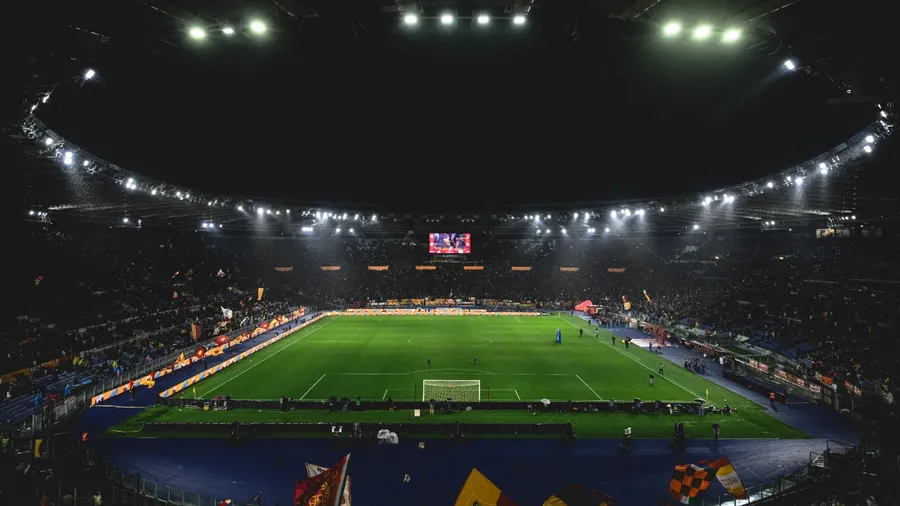
Navigating turbulent waters on the European stage, Real Madrid walked into the Stadio Olimpico confronting a storm that transcended ninety minutes of football. Elite football rarely isolates drama to the pitch, and the confluence of a grueling continental away night in Rome alongside a devastating domestic disciplinary verdict has abruptly altered the tactical calculus for the Spanish heavyweights. What should have been a standard tactical rehearsal in the Champions League group stage transformed into a high-stakes emergency summit regarding squad depth, executive composure, and frontline durability.
Supporters across the globe awoke to a dual reality that few saw coming. While technical directors scrutinized the team sheets ahead of the clash against Italian powerhouse AS Roma, backchannel updates from disciplinary committees in Spain dropped like a lead weight across the sporting press. The immediate repercussion is not merely an uncomfortable night in Italy, but a systemic disruption that threatens to destabilize their pursuit of major silverware over the coming months.
The Disciplinary Earthquake That Shook the Spanish Capital
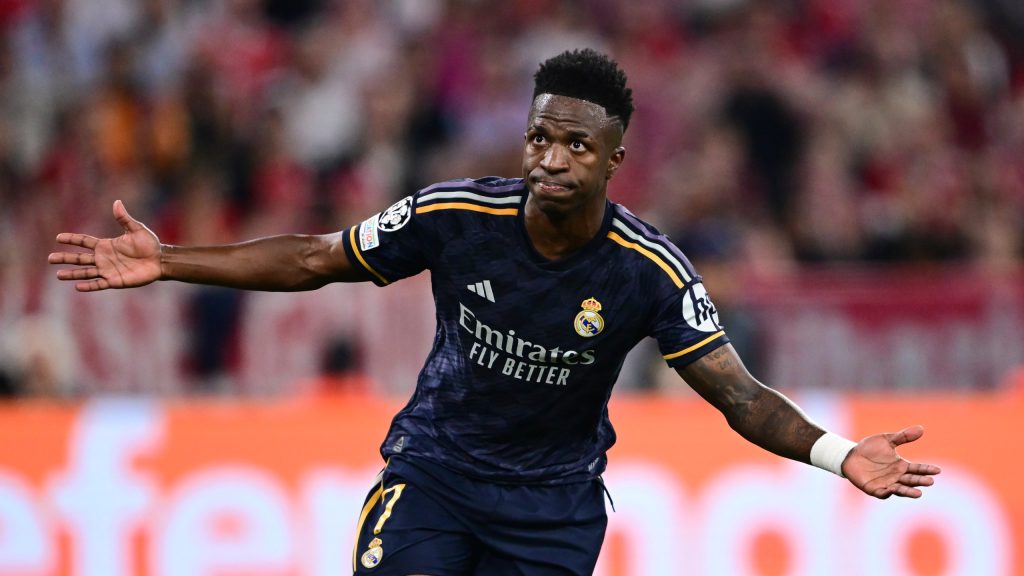
The primary catalyst behind the sudden atmosphere of crisis centers upon an astonishing disciplinary sanction handed down to the club’s most explosive attacking asset. According to detailed coverage from ESPN, disciplinary authorities confirmed that Real Madrid superstar Vinícius Júnior has received a staggering four-match suspension following a contested red card incident. The penalty carries immediate and devastating domestic ramifications, officially sidelining the Brazilian international from the upcoming edition of El Clásico against arch-rivals FC Barcelona.
The severity of the punishment sent shockwaves throughout European football. A four-game ban for a direct dismissal represents the higher end of the regulatory tariff, signaling that competition officials interpreted the altercation as violent conduct or willful insubordination rather than a routine tactical infraction. For a player who serves as the offensive talisman and primary outlet for quick transitions, removing him from the domestic rotation forces an immediate structural rethink. The timing could hardly be worse, stripping the frontline of its most incisive dribbler right as the autumn calendar compresses into a gauntlet of domestic derbies and European commitments.
The mood surrounding the Bernabéu hierarchy darkened considerably once the appeals process was evaluated. Legal staff within the club immediately began drafting evidentiary packages, pointing to previous administrative precedents where similar touchline altercations resulted in reduced sanctions. However, regulatory federations have historically demonstrated little appetite for leniency once official referee reports allege physical aggression. The prospect of entering their most critical domestic fixture of the autumn without their key wide forward represents an unmitigated operational catastrophe.
High Stakes in Rome and Tactical Reshuffles Under Pressure
While executive suites buzzed with anger over domestic sanctions, the immediate imperative remained fixed on the pitch in Rome. As Managing Madrid and Sports Illustrated highlighted in their tactical previews, the clash in Italy forced Real Madrid to reconfigure offensive channels completely while managing extreme physical demands. The Stadio Olimpico has historically punished complacency, and facing an energized Italian setup without psychological distractions is challenging enough under pristine circumstances.
The confirmed starting lineups released shortly before kickoff underscored the coaching staff’s acute awareness of the moment. Tactical setups that previously relied on explosive wing play were adjusted toward midfield consolidation and positional control. The emphasis shifted toward ball retention in central zones, deploying experienced playmakers to slow the tempo and silence a hostile home crowd. Facing an AS Roma side known for compact defensive blocks and venomous set-piece routines, the visiting technical staff elected to fortify the double-pivot rather than engage in an open, end-to-end firefight.
ESPN team statistics from the encounter revealed the fine margins separating the two historic institutions. Aerial duel percentages, possession splits across the defensive third, and counter-pressing efficiency showed two tactical systems grinding against one another with surgical precision. The Italian hosts targeted the flanks aggressively, seeking to exploit spaces left vacant by advancing fullbacks. Every transition required meticulous defensive recovery, illustrating the intense mental toll exerted upon an away team navigating both immediate opposition tactics and overarching seasonal anxiety.
Four Crucial Pressure Points Threatening the Campaign
Understanding the compounding impact of these developments requires dissecting the operational friction points that have emerged across the technical and administrative branches of the organization.
The Agonizing Void in the Upcoming Clasico Showdown
Without their marquee winger to stretch low blocks, Real Madrid must rely on alternative creative outlets to unlock domestic rivals during the season’s premier domestic fixture. The absence of direct one-on-one dominance fundamentally alters how rival fullbacks position themselves. Barcelona’s tactical planners will no longer need to dedicate double-teams to the left flank, allowing them to crowd the central channels and strangle service into the penalty area. This absence places enormous pressure on secondary scoring options, forcing inside forwards to shoulder an unfair share of the transition workload.
Mourinho Scrutinizes the Touchline Dynamics and Refereeing Standards
The high-profile collision also reignited commentary from one of football’s most polarizing figures. When José Mourinho spoke to reporters, as covered by Yahoo Sports, the veteran manager offered a candid assessment of how Real Madrid approached the tactical terrain in the Italian capital while sharing provocative thoughts on the controversial disciplinary process surrounding their Brazilian star. Mourinho pointed out the glaring discrepancies in modern officiating thresholds, suggesting that elite players are frequently provoked without adequate protection, only to suffer disproportionate institutional backlash when tempers inevitably flare.
Mourinho’s intervention added gasoline to an already combustive narrative. Having managed in both Madrid and Rome, his critique of institutional decision-making struck a chord with supporters who view the four-match ban as an excessive political statement rather than objective justice. The Portuguese tactician emphasized that modern fixture density leaves technical staffs virtually zero recovery time to integrate alternative patterns of play when key figures are abruptly excised from matchday sheets.
Squad Depth Examined Under Harsh European Lights
The European showdown exposed the thin line separating competitive supremacy from functional stagnation. When first-choice personnel are unavailable due to administrative bans or tactical preservation, the drop-off in systemic familiarity becomes painfully evident. Bench options called into service must execute intricate positional rotations without regular match rhythm. Against seasoned continental opposition, minor timing errors during defensive transitions translate directly into high-probability scoring chances for the opponent, testing the composure of backup defenders and rotational midfielders.
Navigating Sensitive Disciplinary Briefings and Media Leaks
Beyond the touchline, the administrative handling of disciplinary leaks has raised eyebrows across communications departments. Information regarding appeals, internal player statements, and pending bans regularly leaks to broadcasting networks hours before official federative publication. Organizations dealing with high-profile reputational disputes frequently study strict institutional protocols, much like the framework found in News embargo mechanics and 4 proven rules that prevent disastrous media breaches, to regain control over narratives before locker room morale is contaminated by wild external speculation.
Inside the Technical Area and Tactical Adjustments at the Olimpico
The statistical readouts provided by ESPN illustrated how Real Madrid controlled the tempo through measured ball progression rather than chaotic vertical surges. Deprived of continuous direct running from out wide, the midfield trio orchestrated extended possession sequences designed to exhaust Roma’s pressing lines. Ball circulation moved methodically from touchline to touchline, forcing the Italian side to shift laterally and open intermediate pockets behind their defensive midfield shield.
Defensively, the visitors maintained a disciplined medium block. Rather than pressing aggressively inside the opponent’s defensive third, the tactical directive focused on denying space between the lines. Every clearance had to be contested; every loose ball required immediate second-phase coverage. The physical toll of this approach was palpable, with players expending massive cardiovascular energy to close down passing corridors before Roma could feed their target forwards. It was a gritty, pragmatic display born out of necessity rather than stylistic preference, demonstrating an acute survival instinct amid external chaos.
The Road Ahead for the European Champions
The convergence of European pressure and domestic sanctions serves as an early inflection point for the season. Title campaigns are rarely forged during comfortable strolls through domestic minnows; they are defined by an organization’s capacity to absorb traumatic administrative shocks and salvage points when their primary weapons are locked away. The technical staff must now construct a functional short-term tactical architecture that insulates the midfield while generating sufficient attacking output to keep pace with league leaders.
Ultimately, the upcoming stretch will measure whether Real Madrid possesses the institutional resolve to withstand major disciplinary blowbacks and sustain their championship aspirations across all fronts. With the European calendar refusing to offer breathing room and a high-stakes clash against Barcelona looming menacingly on the domestic horizon, the margin for operational error has collapsed entirely. The answers will arrive not from impassioned press room declarations, but through the tactical adaptability and mental fortitude displayed when the whistle sounds on the pitch.