Former Overwatch Director Jeff Kaplan Reveals 4 Brutal Realities of Leaving Blizzard
Former Overwatch director Jeff Kaplan has broken his silence, detailing the humbling transition from AAA titan to indie underdog. Here is what happened.
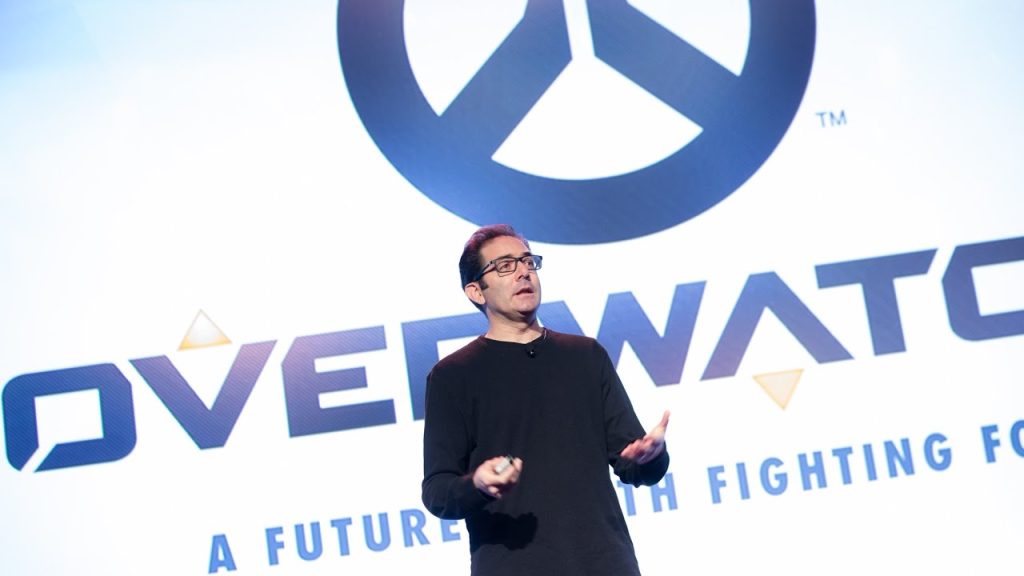
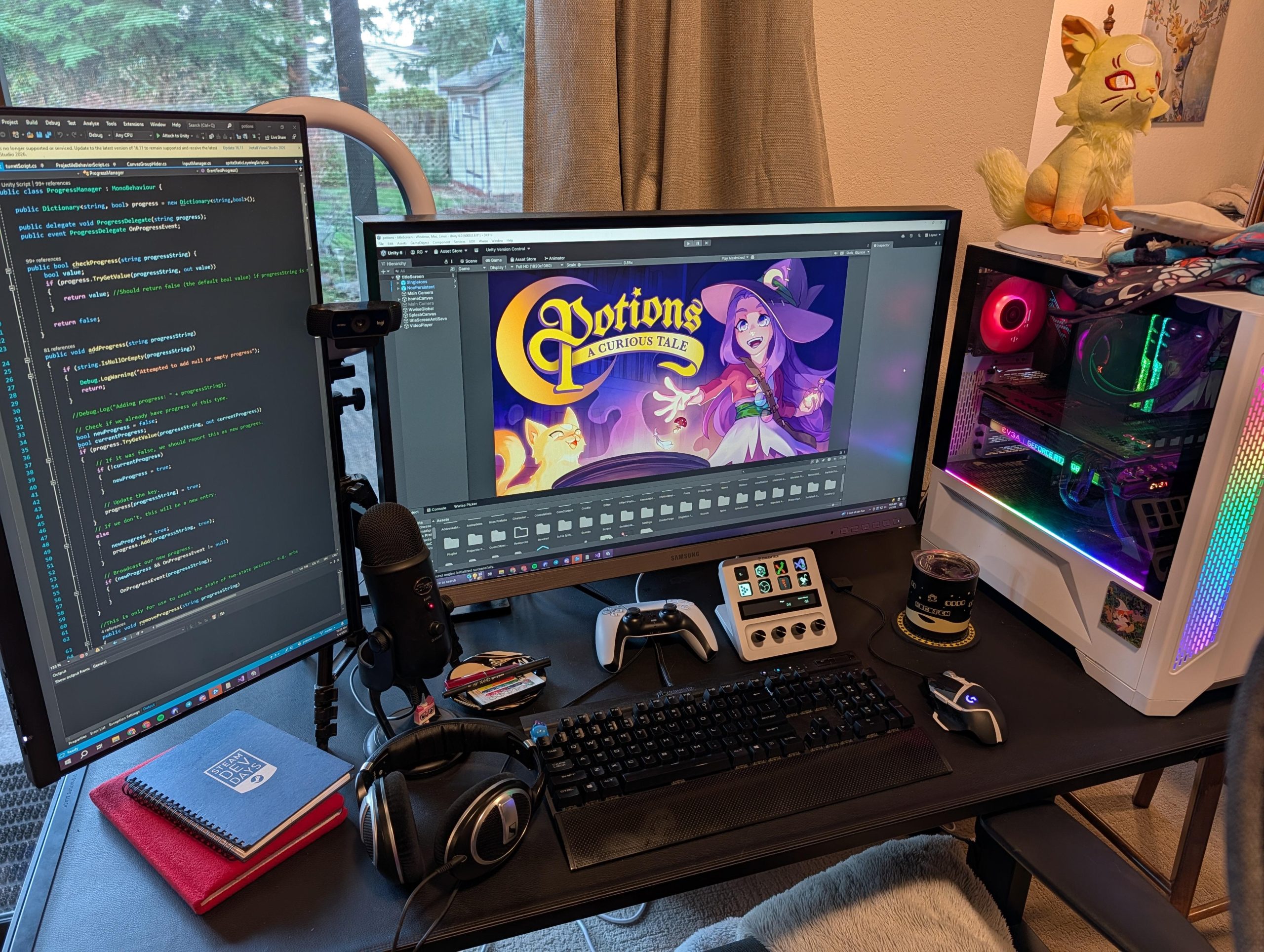
When former overwatch director jeff kaplan stepped away from Blizzard Entertainment, he traded institutional prestige for an uncertain, fiercely independent path. For nearly two decades, his measured cadence and reassuring presence defined corporate communications for millions of players worldwide. From beloved Developer Updates to major stage appearances, he operated as the human face of an international multi-billion-dollar franchise. Yet, the transition away from enterprise gaming has stripped away that executive aura. Today, Kaplan works not from a sprawling Southern California studio campus, but from a dining room filled with assembled PC parts and raw ambition.
His return to public discourse comes after years of deliberate media silence. In extensive conversations detailing his post-corporate life, Kaplan has pulled back the curtain on what happens when a legendary creative director abandons the corporate umbrella. The narrative that emerges is not a sanitized retrospective of past triumphs, but an unvarnished examination of creative burnout, broken corporate relationships, and the stark isolation that accompanies modern independent software development.
Stepping Out of the AAA Machine into Independent Realities
The gaming industry often views executive departures through the lens of voluntary retirement or lateral corporate transfers. However, the trajectory of former overwatch director jeff kaplan took an unexpected turn into absolute grassroots development. Speaking in a revealing interview with GameSpot, Kaplan described his current existence as deeply humbling. The transition from managing hundreds of elite software engineers, animators, and community specialists to assembling motherboards on a domestic table represents a jarring psychological shift.
At the height of his tenure at Blizzard Entertainment, Kaplan carried immense clout. A simple scheduling request from his office could command immediate attention across major media networks, hardware manufacturers, and commercial partners. Today, the landscape is profoundly different. Kaplan candidly admitted to GameSpot that former industry peers and commercial contacts frequently ignore his cold emails. Without the institutional weight of Activision Blizzard behind his signature, the veteran designer must navigate the same gatekeeping barriers encountered by first-time developers.
This dynamic exposes the transient nature of executive influence in high-budget interactive entertainment. The infrastructure that once insulated Kaplan now operates as an external system indifferent to his past accomplishments. Rather than wallowing in frustration, Kaplan has embraced this friction as an inevitable cost of pursuing uncompromising creative freedom. The journey from corporate titan to indie underdog requires shedding the conveniences of enterprise software budgets in exchange for complete operational autonomy.
Four Crucial Revelations From the Veteran Game Designer
As media reports from GameSpot, 80 Level, and VICE synthesize his recent statements, industry veterans note how former overwatch director jeff kaplan navigated corporate culture before making his decisive break. His reflections unpack the specific friction points that dismantled his long-standing allegiance to the company he helped define.
The Clinical Separation From a Former Flagship
Many creators struggle to detach from projects they nurtured from inception. That is not a stance that former overwatch director jeff kaplan maintains with total conviction regarding the hero shooter he stewarded. In an interview with GameSpot, Kaplan characterized his emotional and professional separation from the franchise as strictly clinical. When asked whether he monitors ongoing patch balances, cosmetic pricing rollouts, or competitive league updates, Kaplan delivered a definitive response, stating that he never goes back.
He does not monitor how the title is performing today, nor does he dwell on the creative choices implemented by subsequent leadership teams. This total detachment reflects a protective boundary. Investing years into worldbuilding, character design, and lore creates intense personal vulnerability. For Kaplan, surviving the psychological aftermath of an abrupt executive departure required severing ties completely rather than lingering as a passive, disappointed spectator.
The Defining Career Flashpoint Inside Corporate Blizzard
While Kaplan maintained diplomatic discretion immediately following his April 2021 resignation, new details clarify the internal volatility that precipitated his exit. As reported by 80 Level, Kaplan recently addressed the systemic friction that ended his multi-decade tenure at the company. He openly described a pivotal corporate conflict as the biggest career insult he ever experienced, framing it directly as the definitive moment that shattered his alignment with executive leadership.
Kaplan confirmed that this singular incident fundamentally broke the trust required to manage a high-stakes live-service product. The friction inside Activision Blizzard during this era reflected an escalating philosophical battle between legacy development values and Wall Street demands for financial extraction. When enterprise executives overruled core design promises, Kaplan realized his position had become untenable, transforming an iconic career into an immediate exit strategy.
Reluctant Stardom and Becoming the Public Face
During the rapid rise of competitive team shooters, Kaplan emerged as an unexpected internet icon. His direct, candid video messages earned widespread community admiration and spawned countless memes. However, Kaplan explained to GameSpot that he never actually desired the public spotlight. The celebrity status that accompanied his role was not a pursuit of personal vanity, but an operational necessity.
Kaplan emphasized that the game urgently needed an authentic human face to establish community trust. He placed himself directly in front of volatile online audiences to protect his development team from aggressive public blowback. Absorbing player anger, communicating design adjustments, and serving as an accountable leader were duties he accepted out of service to his colleagues. Stepping away from that performative corporate diplomacy has brought him profound personal relief.
Unfiltered Rejection of Bad-Faith Gamer Commentary
Now unshackled from corporate public relations mandates, Kaplan is speaking his mind with unprecedented bluntness. During a recent public broadcast covering his new independent venture, former overwatch director jeff kaplan offered an unvarnished defense of contemporary developers facing relentless bad-faith online vitriol. As reported by VICE, Kaplan took direct aim at internet commentators who orchestrate review-bombing campaigns and toxic discourse around titles they have never actually experienced.
In comments highlighted by VICE while streaming his upcoming indie project titled The Legends of, Kaplan argued forcefully that detached online critics should simply remain quiet rather than tearing down creative teams. The unfiltered outburst delighted supporters who have grown weary of bad-faith internet outrage cycles. Without corporate sponsors or investor relations representatives policing his language, Kaplan is channeling the authentic frustrations of an entire development community exhausted by coordinated online hostility.
Structural Realities Facing Independent Game Creators
The struggles described by Kaplan mirror broader structural corrections sweeping across global software and interactive entertainment. When enterprise-level game designers leave massive studios, they confront an aggressive market environment characterized by tight capital constraints, platform fees, and intense audience fragmentation. The days when a recognizable name guaranteed millions of dollars in seed funding have largely vanished.
Navigating executive restructuring requires ruthless risk mitigation, much like evaluating high-volatility financial scenarios where market participants rely on Short squeeze mechanics and 4 essential rules that prevent devastating trading losses to understand when institutional pressures will cascade out of control. When corporate mandates override creative fundamentals, the risk profile of staying within a toxic corporate structure often exceeds the financial dangers of walking away into the unknown.
Furthermore, the systemic shifts confronting former overwatch director jeff kaplan highlight the gulf between AAA resources and indie reality. In a multi-hundred-person studio, logistical friction is absorbed by specialized IT, legal, and operational divisions. In an indie environment, the game director must personally order motherboards, debug server infrastructure, manage low-level compilation pipelines, and negotiate distribution licensing without administrative padding.
Rebuilding Legacy From a Dining Room Workspace
Despite the immense friction of starting over, Kaplan appears revitalized by the absence of bureaucratic red tape. Building games around a modest dining room table returns the veteran creator to the scrappy conditions of his early career on World of Warcraft. There are no quarterly earnings calls to appease, no corporate brand synergies to coordinate, and no mandated monetization systems to force into delicate balance ecosystems.
His emerging project, The Legends of, represents a test case for whether veteran talent can capture lightning twice without institutional scale. Modern gamers have repeatedly demonstrated a willingness to support small, passionately crafted independent games that prioritize design purity over predatory monetization loops. Kaplan understands this cultural pivot better than most, having observed how corporate commercialization eroded player goodwill across the mainstream video game sector.
As former overwatch director jeff kaplan builds his next chapter away from executive boardrooms, his journey stands as a masterclass in creative conviction. Walking away from corporate security is terrifying, especially when former peers suddenly refuse to answer your calls. Yet, by accepting the humbling mechanics of independent creation, Kaplan has reclaimed his voice, his integrity, and his connection to the foundational craft of game design.