Bank Fraud Surge Triggers 4 Critical Alerts from Federal Probes to Global Treaties
Federal regulators and international institutions are taking aggressive steps as financial scams escalate worldwide. From local branch initiatives to global frameworks, discover how banking security is being overhauled.
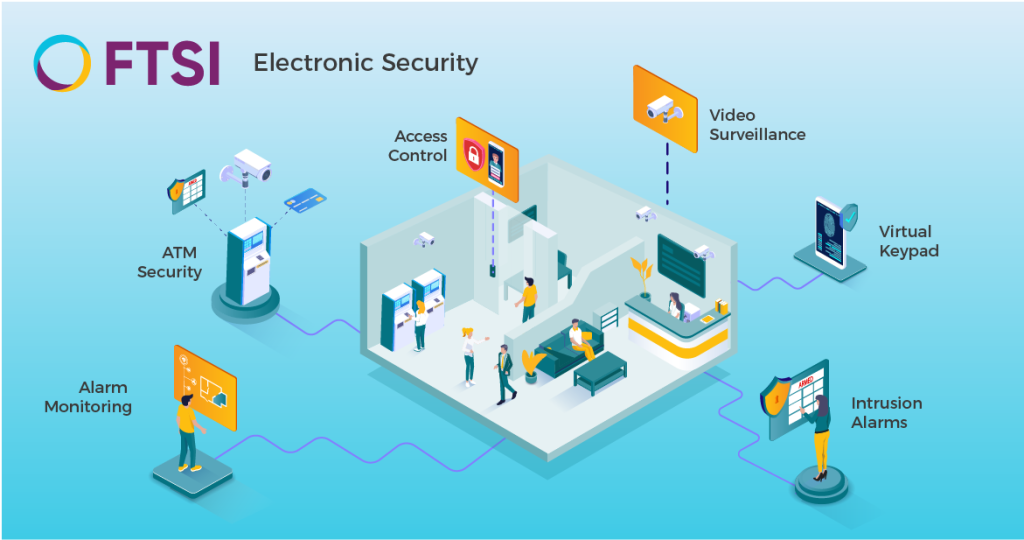
Pervasive incidents of bank fraud have exposed critical systemic vulnerabilities across the retail and international banking systems this week, prompting high-level regulatory crackdowns and global policy overhauls. As criminal syndicates deploy increasingly sophisticated digital deception tactics, the financial infrastructure that consumers and corporations rely on is facing an unprecedented integrity test. The collision of aggressive criminal activity, local investigative discoveries, and multinational frameworks signals a pivotal turning point in financial security.
What began as isolated customer complaints regarding stolen life savings has rapidly escalated into a multi-layered crisis involving national federal investigators and global financial institutions. From regional branches in the American Midwest to international summits hosted in Southeast Asia, financial watchdogs are sounding alarms about unauthorized account drains, social engineering schemes, and cross-border digital crime networks. Understanding the structural forces driving these coordinated interventions reveals how vulnerable retail accounts have become, and why institutions are radically shifting their operational strategies.
The Escalating Shockwaves Across Global and Domestic Banking
The intensifying public scrutiny over domestic bank fraud gained substantial momentum after federal authorities stepped in to review mounting customer complaints at major depository institutions. A prominent investigation conducted by News 5 Cleveland brought widespread attention to Huntington Bank customers whose checking and savings accounts were drained by unauthorized transactions. Despite presenting evidence that their funds had been compromised through deceptive social engineering and account takeovers, numerous victims found themselves stranded without rapid reimbursement, trapped between algorithmic fraud filters and slow-moving customer dispute departments.
The subsequent involvement of federal regulatory agencies has heightened legal pressure across the entire retail banking sector. Regulators are examining whether institutions are fulfilling their legal obligations under federal electronic fund transfer statutes, which mandate rigorous investigation and timely restitution for unauthorized consumer transactions. The Cleveland probe illustrates a painful reality confronting millions of depositors: as cybercrime syndicates refine their methods, traditional institutional safeguards are proving sluggish, leaving innocent account holders exposed to devastating financial loss.
Coordinated Global Governance and the Bangkok Blueprint
Recognizing that contemporary bank fraud transcends sovereign borders, international multilateral bodies have entered the arena to enforce higher defense standards. As reported by both Reuters and Bloomberg, the International Monetary Fund and the World Bank jointly unveiled the Bangkok Blueprint on Wednesday. Developed in close cooperation with the Thai government, this sweeping international framework aims directly at cyber-enabled financial crime syndicates operating across Southeast Asia and global digital corridors.
The Bangkok Blueprint represents an urgent recognition that domestic law enforcement agencies cannot combat decentralized cyber syndicates in isolation. Global digital fraud operations frequently employ complex cross-border infrastructure, funneling stolen deposits through layered shell entities, unregulated payment gateways, and offshore accounts within minutes of compromise. By establishing centralized communication conduits, mutual intelligence sharing, and standard forensic reporting metrics, the IMF and World Bank framework aims to choke the liquidity flows that make digital financial predation such a lucrative enterprise.
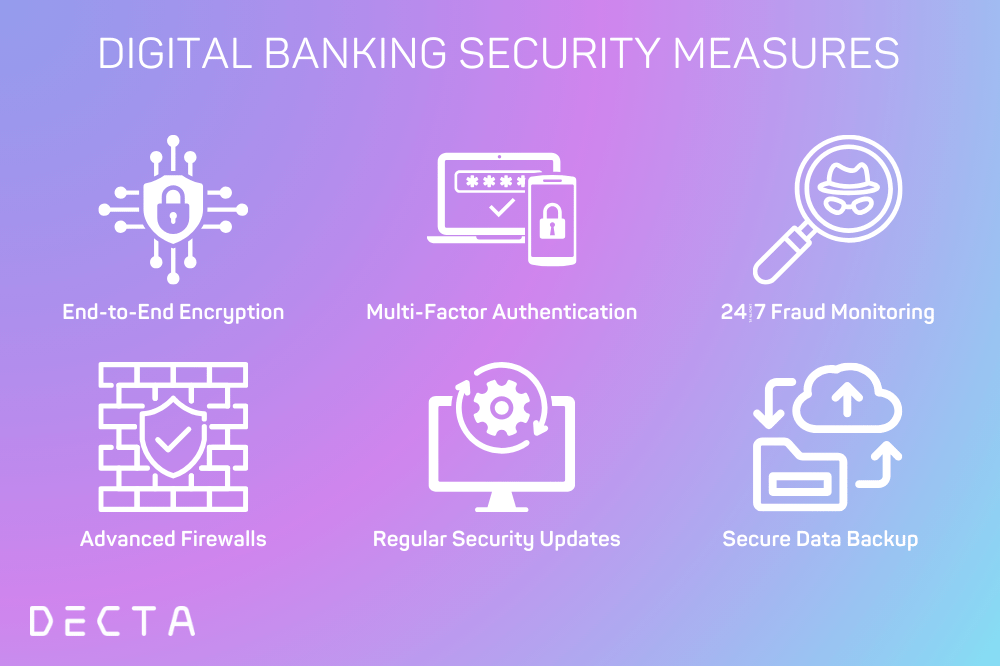
4 Critical Frontlines Reshaping How Institutions Fight Financial Scams
The global counteroffensive against financial deception is manifesting along multiple strategic fronts, ranging from federal enforcement corridors to grassroots educational campaigns. These key developments illustrate how institutions, regulatory agencies, and consumers are attempting to construct a resilient barrier against modern financial crime.
1. Federal Investigations into Huntington Bank Account Drains
The regulatory inquiry sparked by News 5 Cleveland’s investigative journalism represents a crucial test case for retail consumer protection. When Huntington Bank account holders reported thousands of dollars vanishing without authorization, the initial institutional response often blamed customer negligence. Federal oversight agencies are now scrutinizing institutional accountability, examining whether bank monitoring algorithms failed to detect blatant anomalous transfers. This federal focus marks an indispensable shift toward enforcing stricter accountability on how financial institutions handle customer dispute claims, ensuring that depositors are not left destitute when perimeter defenses fail.
2. The IMF and World Bank Bangkok Framework for Digital Crime
On the international stage, the joint launch of the Bangkok Blueprint by the IMF and the World Bank introduces an aggressive diplomatic mechanism against cross-border syndicates. Southeast Asia has emerged as a significant hub for industrial-scale digital crime centers, where coerced labor forces execute complex phishing, pig butchering, and credential theft schemes against victims across North America and Europe. By coordinating regulatory reporting, financial surveillance, and intelligence exchanges with the Thai government and regional neighbors, the framework establishes a unified standard for dismantling cross-border digital fraud pipelines before stolen capital can be permanently laundered.
3. JPMorgan Chase Deploying Branch Livestreams Across Hundreds of Locations
Simultaneously, America’s largest depository institutions are shifting toward active community mobilization. Banking Dive reported that JPMorgan Chase organized an urgent, widespread educational panel livestreamed directly into 700 retail branches. Designed to bridge the gap between back-office fraud specialists and frontline branch personnel, the initiative equips branch staff with immediate insights into current scam methodologies, social engineering tactics, and the protective software tools available to deflect attacks. By decentralizing threat awareness, the institution is directly combating bank fraud at the community level, ensuring branch managers can recognize and interrupt coercive transactions happening at customer teller windows.
4. Consumer Education Initiatives Exposing Impersonation Tactics
Complementing private institutional training is a nationwide public warning effort. Broadcasters including WBAY have highlighted the expanding ‘Banks Never Ask That’ public campaign, teaching consumers how to spot coordinated bank fraud attempts before funds disappear. The initiative targets the core mechanism of social engineering: impersonation. By educating consumers on the foundational operational boundaries that banks observe, such as never requesting multi-factor authentication codes, passwords, or immediate wire transfers over unsolicited phone calls, the campaign seeks to dismantle the deceptive psychological leverage that modern scammers wield against account holders.
The Deepening Complexity of Cyber-Enabled Financial Deception
The explosive rise in digital account compromise is fundamentally an evolution of psychological manipulation paired with technological exploitation. Criminal organizations have moved far beyond clumsy email scams. Today, the operational sophistication behind bank fraud now spans automated call systems and forged digital footprints that can deceive even experienced technology users. Attackers utilize caller-ID spoofing to make outbound calls appear on a victim’s smartphone as legitimate customer support numbers, leveraging stolen consumer data obtained from third-party data breaches to establish immediate credibility.
Once rapport is forged, scammers generate manufactured urgency, claiming that the victim’s account is actively being drained and instructing them to transfer funds to a safe harbor account or verify their identity using a one-time passcode. Just as unpredictable disruption can redefine unexpected arenas—much like how Joe Buck Makes 3 Major Career Pivots That Shocked Television Audiences—modern cybercrime syndicates pivot rapidly across communication channels to bypass conventional security checks. The moment a victim inputs or speaks an authentication token, the criminal network executes an authorized push payment or resets account credentials, locking out the legitimate account owner.
How Account Holders Can Fortify Their Personal Defenses
While regulators tighten compliance rules and multinational agencies target criminal infrastructure abroad, individual depositors must establish proactive personal defenses. The most vital security rule recommended across consumer warning campaigns is the absolute refusal to verify identity or move funds during inbound communications. If an individual receives a call, text message, or email claiming suspicious activity on an account, the safest course of action is to hang up immediately and place an outbound call to the institution using the customer service phone number printed directly on the back of the physical debit card.
Depositors must also treat authentication tokens as strictly private access keys. Legitimate financial institutions possess internal administrative access and do not require account holders to read back one-time passcodes sent via text message. Enabling hardware-based security keys, utilizing dedicated biometric authenticators, and disabling SMS-based two-factor authentication whenever possible drastically reduces exposure to SIM-swapping and interception attacks. As global authorities assemble complex defenses like the Bangkok Blueprint and federal investigators hold regional lenders accountable, vigilance at the individual account level remains the indispensable final line of defense.