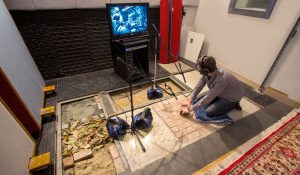
Diegetic Sound Design Mechanics and 4 Proven Rules That Create Unforgettable Cinematic Tension
Sound in cinema is not mere background texture; it is the subconscious foundation of narrative truth. Discover how mastering diegetic sound design transforms passive moviegoers into breathless participants.
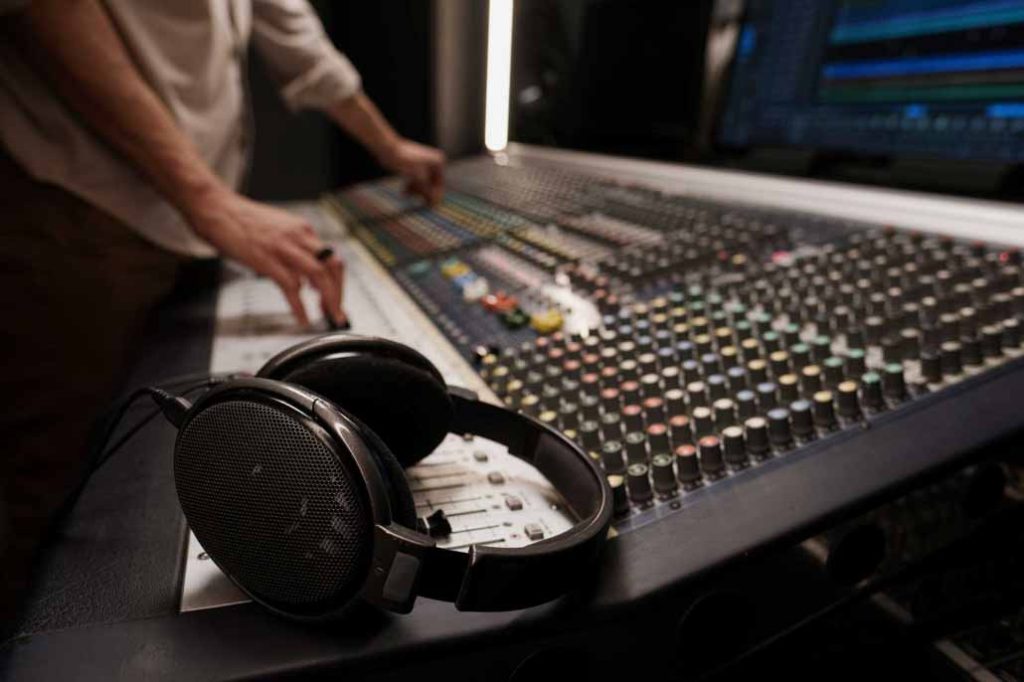
Mastering diegetic sound design mechanics allows storytellers to pull audiences out of passive detachment and plunge them directly inside an unstable narrative world. While the visual frame is always bounded by the physical edges of a lens, the auditory world possesses no borders. An audience member sitting in a darkened theater can easily close their eyes to evade horror, violence, or grief, but the human ear has no eyelids. Hearing remains an omnidirectional survival sense, constantly scanning the acoustic perimeter for threats, shifts in pressure, and signals of life.
Long before digital synthesizers and bombastic orchestral scores began dictating cinematic moods, visionary filmmakers understood that raw reality carried an innate musicality. The rhythmic rattle of a train carriage, the wet thud of boots dragging through mud, or the quiet hiss of a failing radiator communicates spatial geography faster than an establishing shot. By treating physical sound not as clean technical foley but as an active narrative engine, directors build physical environments that feel tangible, dangerous, and deeply alive.
The Hidden Acoustic Architecture of Moving Pictures
Sound design operates on human emotion with brutal efficiency because auditory processing bypasses the analytical filters of the conscious brain. Psychoacoustic studies demonstrate that human beings react to acoustic disturbances milliseconds before the visual cortex can synthesize an image. When a film relies purely on an orchestral score to manufacture emotional climaxes, the viewer always retains a subconscious buffer. They understand that a third-party orchestra is orchestrating their feelings from outside the story universe.
True cinematic dread, heartbreak, and tension emerge when sound originates organically from within the physical scene itself. When a character sits alone in an empty farmhouse, the absence of an orchestral violin forces the audience to lean into the silence. Every creaking timber, every draft whistling through dry pine, and every scrape of silverware against ceramic becomes an acoustic landmine. The viewer stops evaluating the performance as an artifice and begins processing the environment through biological instinct.
The Boundary Between Reality and Illusion on Screen
In classical dramatic theory, diegesis encompasses everything that belongs to the narrative world that characters can physically touch, see, or hear. Diegetic audio includes the dialogue spoken between actors, ambient wind whistling across open plains, the roar of a faulty engine, and songs playing from a dashboard radio. When directors neglect diegetic sound design mechanics, the world on screen flattens into an artificial stage set rather than a breathing physical space.
Achieving acoustic realism requires far more than dropping dry audio recordings onto an editing timeline. Every acoustic wave carries the physical footprint of its environment. Sound bounces off damp concrete differently than it absorbs into velvet curtains. It attenuates across distance, loses high frequencies as it travels through closed doors, and shifts pitch through natural physical motion. As explored in the breakdown of how The Lowdown Returns With 4 Major Reasons This Oklahoma Noir Captivates Audiences, gritty regional authenticity relies heavily on environmental sonic textures that ground narrative stakes in unmistakable physical soil. When these physical details are rendered faithfully, the screen dissolves into tangible reality.
Scholars documenting cinema history, including British Film Institute archival research on cinematic sound theory, frequently point out that the golden ages of cinematic storytelling occurred when filmmakers treated audio tracks not as dialogue delivery systems, but as three-dimensional environments that dictate psychological pacing.
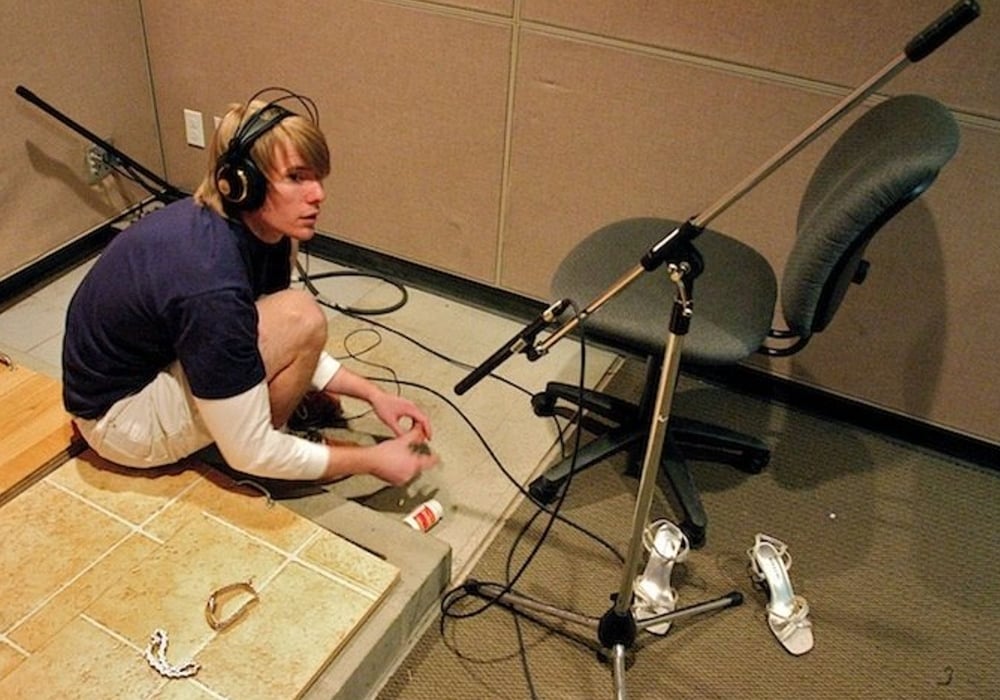
How Acoustic Psychology Governs the Viewer Experience
The human brain constantly constructs a mental map of physical space based on acoustic reflections and timing differences between the left and right ears. The fundamental power of diegetic sound design mechanics stems from the brain’s evolutionary wiring, which treats acoustic vibrations as immediate biological facts rather than creative metaphors. If a sharp metallic clatter occurs off-camera to the left, the viewer’s attention pivots instantaneously toward the edge of the frame, searching for an unseen danger.
Filmmakers exploit this neurological response by creating cognitive dissonance between what is seen and what is heard. A calm, pastoral visual shot paired with off-screen acoustic chaos immediately introduces paranoia. Conversely, an intense visual confrontation set against an unnervingly quiet room tone forces the audience to endure the suffocating intimacy of the moment. Instead of telling the viewer how to feel through melodramatic musical cues, acoustic physics forces them to deduce the narrative stakes through their own perceptual mechanisms.
Four Proven Principles That Elevate Cinematic World Building
Applying diegetic sound design mechanics with surgical intention requires looking past cosmetic audio mixing and embracing narrative physics. Great storytelling treats every acoustic element as a dramatic character possessing intention, texture, and emotional consequence. Four core principles define how master storytellers weaponize natural sound to create unforgettable cinematic tension.
Establish Spatial Geometry Beyond the Edge of the Frame
The camera frame is inherently restrictive, capturing only a fraction of the world at any given moment. Sound design breaks these visual handcuffs by building off-screen space, known in cinema craft as hors-champ. When an editor layers distant dogs barking, sirens fading into alleyways, or heavy footsteps echoing on the ceiling above, the cinematic world expands tenfold without spending a single dollar on extra visual effects. The audience realizes that life continues outside the visual boundary, making the immediate frame feel vulnerable to outside intrusion.
Distort Physical Acoustics to Mirror Character Psychology
While diegetic sound belongs strictly to the physical story world, perception is always subjective. When a protagonist experiences overwhelming grief, panic, or concussion, the acoustic environment should warp to match their internal trauma. By bending diegetic sound design mechanics to reflect a character’s fractured mental state, sound editors transform objective physical realities into visceral psychological portraits. Muffling high frequencies through low-pass filtration, stretching room reverberation into eerie drones, or amplifying the wet sound of frantic breathing places the audience directly behind the character’s trembling eyes.
Weaponize Contrast Between Raw Noise and Sudden Silence
Volume carries zero narrative value without contrast. A continuous barrage of deafening explosions quickly leads to acoustic fatigue, rendering the audience emotionally numb within minutes. True tension thrives in the violent transition between cacophony and total stillness. True silence in cinema is rarely zero decibels; it is the deliberate presence of acoustic negative space, such as the quiet hum of fluorescent lights or the faint whistle of wind through a cracked window pane. When an overwhelming acoustic event abruptly cuts to stark room tone, the sudden vacuum hits the human nervous system like physical shock.
Anchor Thematic Motifs in Tangible Physical Objects
Instead of relying on orchestral themes to signal recurring dramatic concepts, master filmmakers assign thematic weight to concrete physical props. The nervous clicking of a brass Zippo lighter, the rhythmic hum of an idling refrigerator, or the dry scrape of leather boots across gravel can signify impending violence far more effectively than a brass trumpet. These sonic motifs operate as acoustic signatures that trigger immediate anticipation every time they resurface within the mix, linking thematic subtext directly to tangible objects.
Why Sonic Authenticity Separates Timeless Cinema From Disposable Noise
In modern filmmaking environments dominated by synthetic computer graphics and relentless visual pacing, sound design frequently suffers from over-processing. Action scenes often devolve into wall-to-wall acoustic white noise where punches sound like artillery shells and vehicle engines roar without acoustic texture. This synthetic saturation robs stories of weight, leaving audiences impressed by technical spectacle yet completely unmoved by human stakes.
When filmmakers respect diegetic sound design mechanics, every creak, breath, and rustle grounds the story in an undeniable truth that visual effects can never replicate. It connects the fictional drama directly to the primal instincts hardwired into human survival. The viewer stops evaluating the picture through analytical scrutiny and begins experiencing the narrative as an unbroken physical reality.
Ultimately, mastering diegetic sound design mechanics is not merely an engineering triumph, but the highest form of subconscious storytelling. By honoring the physics of acoustic space, bending room tone to mirror fragile minds, and finding drama in everyday noise, storytellers craft cinematic moments that linger in the human imagination long after the projector light fades.