The Lowdown Returns With 4 Major Reasons This Oklahoma Noir Captivates Audiences
Sterlin Harjo returns to FX with the second season of The Lowdown, pairing Ethan Hawke and Tommy Lee Jones in a gritty Tulsa investigative noir. Here is why the regional crime thriller has become a critical sensation.
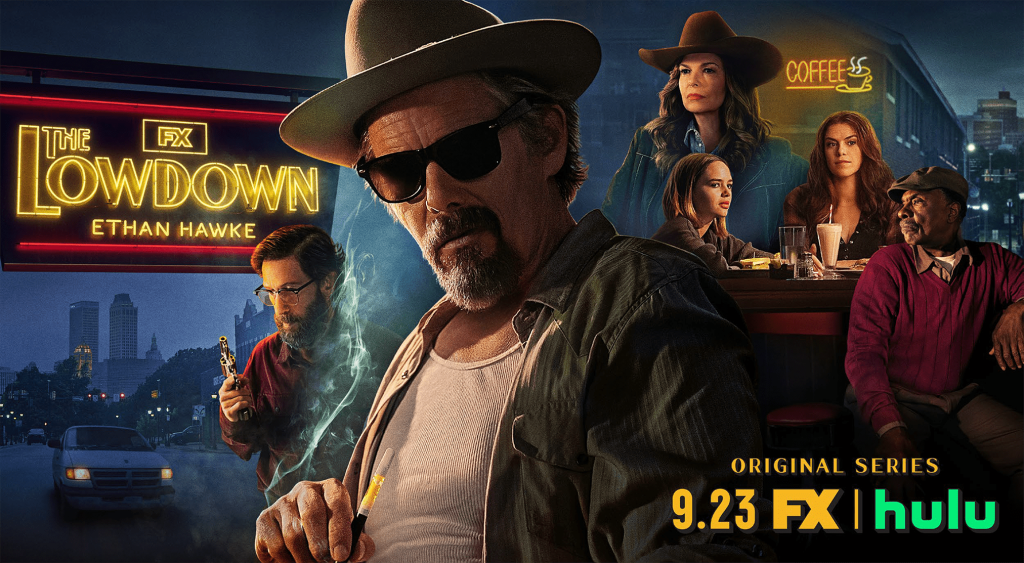
As television critics and viewers turn their attention toward the lowdown, the acclaimed FX drama created by Sterlin Harjo prepares to premiere its highly anticipated second season. The neo-noir series, which quickly established itself as one of cable television’s most distinct regional thrillers, follows Ethan Hawke as Lee Raybon, a weary Tulsa investigative journalist who refuses to look away from institutional rot. Rather than leaning on coastal police procedural formulas, the production roots its mysteries firmly in the red dirt and shadowed history of northeastern Oklahoma.
The sudden surge in public curiosity across digital platforms reflects a convergence of exceptional creative factors. From the high-profile casting of Hollywood veteran Tommy Lee Jones to a grassroots hometown premiere that captivated Oklahoma arts communities, the show represents a vital turning point for modern cinematic television. Harjo, celebrated globally for co-creating Reservation Dogs, brings a singularly poetic yet unsentimental lens to the American interior, proving that specific local geography can yield gripping, universal human drama.
Why Sterlin Harjo Chose Oklahoma for His Uncompromising Neo-Noir Vision
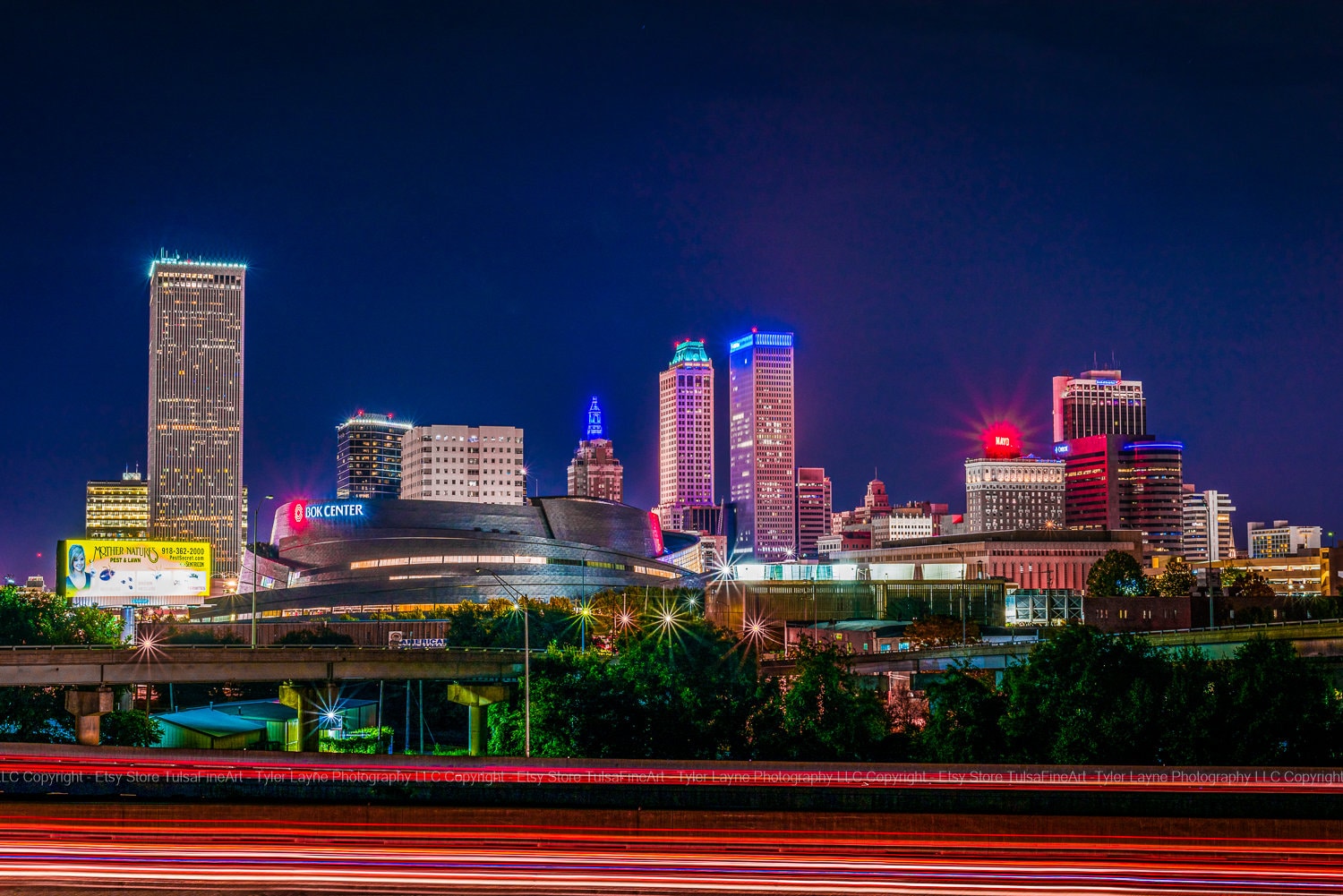
For decades, major television networks treated middle America as an interchangeable backdrop, often staging heartland stories on generic soundstages in Southern California or tax-subsidized warehouses in Vancouver. When Harjo conceived the lowdown, he deliberately chose to bypass Hollywood backlots, centering the drama directly in the neighborhoods and historic corners of Tulsa. As detailed in an extensive profile by The New York Times, Harjo views Oklahoma as an enduring land of secrets where generational wealth, industrial extraction, and Indigenous heritage clash beneath polite Midwestern veneers.
That geographic authenticity infuses every frame of the production. Instead of treating Tulsa as a passive setting, Harjo treats the city as an active, breathing antagonist that harbors hidden alliances and forgotten crimes. According to coverage in The Journal Record, the production returned to Oklahoma to capture authentic local architecture, local dialect, and the peculiar beauty of the prairie dusk. By collaborating with local crews and drawing from real regional frictions, the series achieves an atmospheric gravity that artificial sets simply cannot duplicate.
Investigative Journalism and the Gritty World of Lee Raybon
At the beating heart of the narrative is Lee Raybon, played with weathered intensity by Ethan Hawke. Raybon is not an infallible cinematic detective equipped with high-tech surveillance gear or infinite federal resources. Instead, he represents an endangered species in American civic life: the tenacious local print reporter who pounds the pavement, cultivates disaffected municipal workers, and parses land deed records in subterranean county archives to expose corporate malfeasance.
Throughout the narrative arc of the lowdown, Raybon operates not as an untouchable hero, but as an exhausted, persistent truth-teller navigating deep civic entanglements. His professional hazards offer a compelling dramatization of real-world press dilemmas. When fictional reporters navigate hostile state politics, adhering to sound reporting practices becomes essential—a dynamic echoed in the real world where mastering Off the Record Interview Mechanics and 4 Proven Rules That Prevent Devastating Media Disasters dictates whether high-stakes investigative stories survive scrutiny. Raybon’s triumphs and missteps demonstrate the catastrophic personal stakes confronting local journalists who challenge powerful community oligarchs.
Four Major Elements Driving the Massive Anticipation for the New Season
The explosive surge in public curiosity surrounding the lowdown stems from an alignment of top-tier screen talent and uncompromising narrative integrity. As the Wednesday premiere approaches, several crucial factors have pushed the show to the absolute forefront of global television discussions.
The Magnetic Pairing of Ethan Hawke and Tommy Lee Jones
Perhaps the most electrifying development for the sophomore season is the formal addition of Academy Award winner Tommy Lee Jones, who steps into the role of Raybon’s estranged father. Critical observers immediately recognized this chemistry; The Economist underscored how the casting of Tommy Lee Jones opposite Hawke in the lowdown feels almost inevitable given their shared weather-beaten screen authority. Both performers carry an unmistakable cragginess and stoic gravitas that instantly conveys decades of familial friction, broken promises, and shared stubbornness without relying on lengthy exposition.
Unflinching Exploration of Oklahoma as a Land of Secrets
Rather than presenting a sanitized version of oil country prosperity, the writing team peels back layers of systemic regional inequality. Harjo told The New York Times that he wanted to illuminate how state history is written by those who hide land swindles, oil booms, and political betrayals under carpets of civic pride. The resulting drama forces audiences to confront the buried historical trauma that modern institutions routinely try to erase, lending the neo-noir an ethical complexity rarely seen on broadcast television.
Deep Grassroots Authenticity and Tulsa Community Support
The production enjoys unprecedented cultural backing from its home state. As reported by the Tulsa Flyer, hundreds of community members gathered for an exclusive screening of the lowdown ahead of its official FX broadcast. Filmmakers, crew members, and local extras attended the celebratory event, highlighting how deeply the production has embedded itself in the regional economy. Harjo’s steadfast commitment to employing local creatives and honoring Oklahoma’s living culture has fostered immense civic pride that radiates far beyond normal entertainment marketing.
A Renaissance in Nuanced Regional Television Storytelling
The series challenges the longstanding industry dichotomy that forces dramas into either coastal metropolis prestige or simplistic rural caricature. Raybon’s Tulsa is sophisticated, compromised, culturally diverse, and morally fractured. By giving local issues the grand scale of classical tragedy, Harjo elevates regional reporting into high art, proving that great storytelling does not require Manhattan penthouses or Los Angeles police headquarters to command international respect.
How Regional Crime Narratives Are Reshaping Global Television Standards
The broader cultural conversation surrounding Harjo’s work highlights a welcome evolution across prestige streaming and premium cable. Audiences have grown visibly fatigued with slick, algorithm-generated mysteries that lack a true sense of place. Viewers crave stories where setting dictates character behavior, where dialect sounds lived-in, and where community history shapes every conversation in every dimly lit diner booth.
By refusing to sand down the jagged edges of its setting, the lowdown demonstrates that the most universal human dramas are rooted in specific, unapologetic geography. When Ethan Hawke steps into the harsh Oklahoma sunlight as Lee Raybon, viewers are not merely watching a stylish detective procedural. They are witnessing an authentic portrait of American endurance, institutional defiance, and the quiet courage required to pull buried truths into the light.