Pablo Carreno Busta Drives 3 Crucial Shifts in Shanghai Masters Thriller
Spanish veteran Pablo Carreno Busta locked into a fierce third-round clash at the Rolex Shanghai Masters against Felix Auger-Aliassime. Here is how intense court strategy and surging prediction markets defined the tournament showdown.
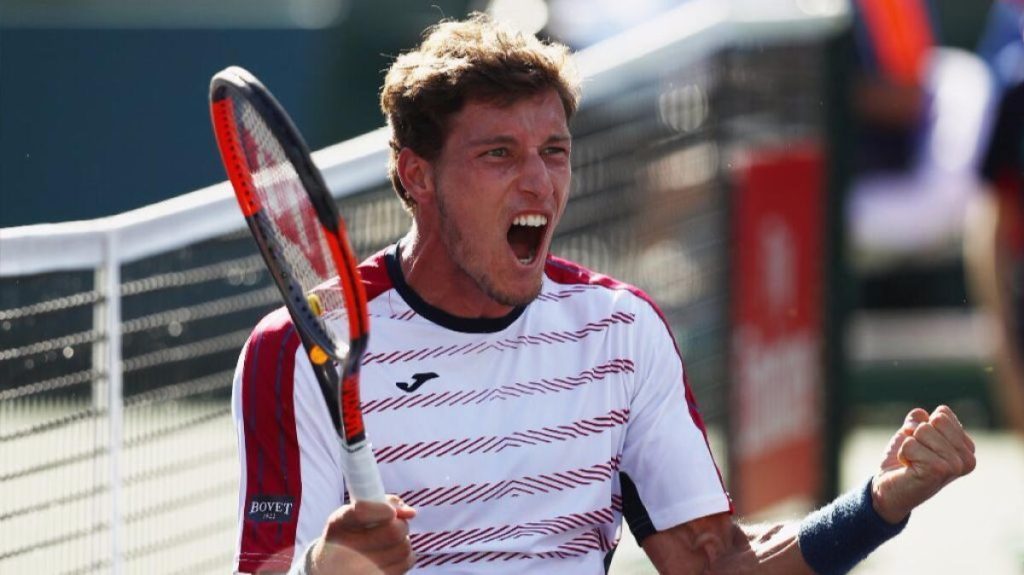
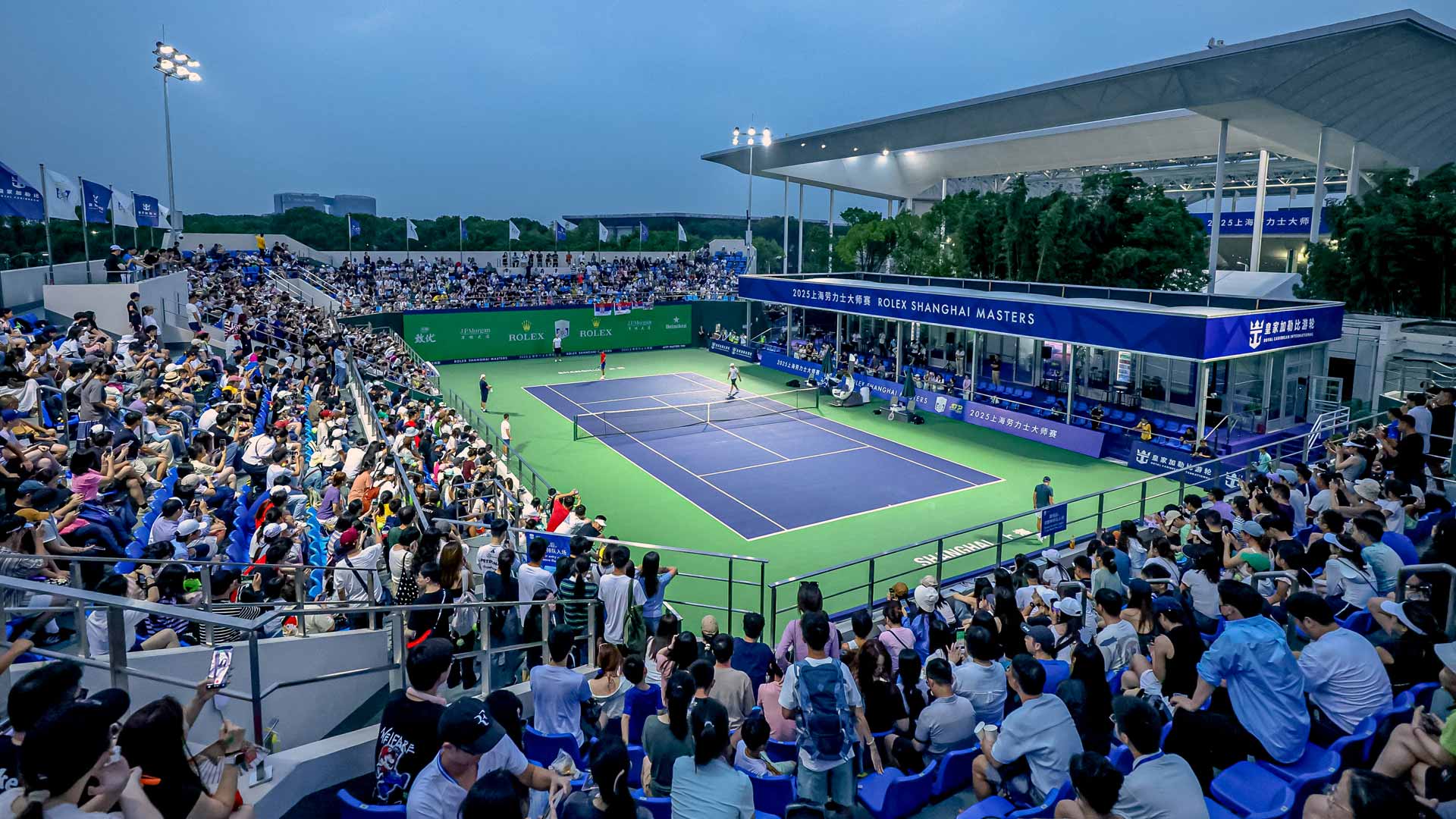
Spanish competitor Pablo Carreno Busta ignited global sporting interest as tennis followers turned toward the Rolex Shanghai Masters for an electrifying third-round tournament clash. The veteran baseline craftsman stepped onto the hard courts of the Qizhong Forest Sports City Arena to dispute a pivotal Round of 32 engagement against Canadian powerhouse Félix Auger-Aliassime, drawing intense scrutiny across international sports networks and real-time analytical desks.
The encounter highlighted an extraordinary convergence of tactical hard-court mastery, deep bracket attrition, and modern digital engagement. As reported by Tennis.com, live scoring feeds, real-time match analytics, and international broadcast networks tracked every exchange point by point, capturing an intense duel between generational styles. Tennis fans witnessed an uncompromising contest that underscored the unrelenting physical demands of the autumn Asian swing.
Beyond the chalk lines, the fixture generated massive secondary waves across sports media ecosystems. Real-time data hubs, digital tracking feeds, and prediction markets registered explosive spikes in audience interaction, transforming a single Masters 1000 fixture into one of the most closely observed professional matches of the global autumn tennis calendar.
The High Stakes Pathway Through the Rolex Shanghai Masters Bracket
Reaching the final thirty-two players of an ATP Masters 1000 draw requires surviving an unforgiving gauntlet of physical tests and style mismatches. The road leading into this third-round fixture demonstrated the rigorous baseline execution that has long characterized Spanish hard-court competitors. Prior tournament data reported by Odds Scanner revealed how critical early-round match preparation was, notably highlighted during preliminary tournament paths and betting analysis that framed the encounter with Argentina’s Mariano Navone.
Surviving those initial tactical rounds demands relentless court positioning, defensive flexibility, and an innate understanding of baseline depth. Hard courts in Shanghai present distinct challenges, balancing a medium-fast pace with ball bounce conditions that reward players capable of absorbing heavy top-spin and redirecting flat groundstrokes with calculated precision. As Pablo Carreno Busta advanced deeper into the draw, those structural mechanics became the cornerstone of his tactical game plan against elite international opposition.
Facing Félix Auger-Aliassime presented an entirely different tactical puzzle. Where early rounds often require outlasting counter-punchers and baseline grinding specialists, confronting the young Canadian demands an immediate answer to blistering first serves, explosive forehand strikes, and aggressive court positioning designed to shorten points.
How Market Sentiment and Global Viewers Mobilized Around the Third Round Clash
The anticipation surrounding the Round of 32 clash resonated far beyond traditional sports reporting. Major sports network Sky Sports scheduled prominent international coverage of the Rolex Shanghai Masters, prioritizing the clash between the Spanish veteran and Auger-Aliassime for international viewers eager to track high-tier ATP World Tour competition. The fixture anchored mainstream sports programming throughout Europe, Asia, and North America.
Simultaneously, newer digital financial mechanisms reflected this surging interest. As documented by Robinhood prediction markets, contracts centered on the October encounter allowed users to trade positions on the outright winner of the round. The inclusion of the fixture across prediction platforms transformed passive spectating into real-time analytical forecasting, offering paid contracts based on match outcomes and creating a measurable financial barometer for each break point and service hold.
Digital tracking through Tennis Majors confirmed the global scale of scheduling and tournament interest, putting Pablo Carreno Busta directly opposite Canadian star Auger-Aliassime in a contest that captured dedicated tennis enthusiasts and broader sports gaming demographics alike.
3 Critical Dynamics Defining the Shanghai Hard Court Encounter
Examining the factors driving worldwide interest reveals several structural elements at play, highlighting why Pablo Carreno Busta remains one of the tour’s most respected veteran contenders when navigating high-pressure tournament stages.
Baseline Resilience Confronting Explosive Athleticism
The tactical heart of this third-round encounter rested entirely on contrasting philosophies of modern tennis. Félix Auger-Aliassime operates as an aggressive, high-risk athlete whose game flourishes when his serve lands with unreturnable velocity and his inside-out forehand dictates baseline tempo. His strategy relies on dominating early-strike rallies within the first three shots.
Conversely, the veteran Spanish strategy centers on tactical attrition, depth manipulation, and defensive recovery. Neutralizing explosive power requires standing tall on the baseline, returning aggressive serves deep into the opposing body, and forcing power hitters into extended multi-shot exchanges where unforced errors steadily mount. By extending rally length and varying ball trajectory, defensive discipline transforms an opponent’s high-velocity offense into a liability.
The Mathematical Volatility Across Prediction Markets
A notable secondary phenomenon surrounding the Shanghai matchup was the prominence of algorithmic wagering platforms and retail prediction markets. Robinhood prediction market contracts tracking the match win probabilities fluctuated dynamically in response to head-to-head metrics, recent form, and court surface historical data.
Unlike traditional static sportsbooks tracked by platforms such as Odds Scanner, modern decentralized and retail contract platforms respond instantaneously to early breaks, physical momentum shifts, and service percentages. This intersection of elite athletics and retail speculative interest created a secondary audience that monitored the match through real-time statistical volatility, adding unprecedented financial attention to a standard Masters 1000 third-round bracket.
Broadcaster Momentum Across International Networks
Global interest in this clash reflected an entertainment landscape where live athletic drama competes directly against prestige scripted television for cultural dominance. While entertainment portals experienced massive engagement when the Carrie TV Show Cast Unveils 5 Major Stars in Chilling Prime Video Adaptation captured peak cultural buzz, international sports networks commanded live viewership surges with audiences tuning into Pablo Carreno Busta battling on center court in Shanghai.
Broadcasters such as Sky Sports leveraged multi-court streams and real-time graphical overlays from Tennis.com, ensuring that every tactical rotation, Hawk-Eye challenge, and momentum swing reached audiences across varied time zones. The ability of an ATP 1000 third round to generate widespread viewership demonstrates the powerful commercial vitality of elite tennis programming.
Strategic Implications for the ATP Tour Hierarchy
Every point earned at the Rolex Shanghai Masters carries massive weight for ranking status, qualifying thresholds, and seeding protections for the forthcoming Grand Slam events. For Pablo Carreno Busta, the master-level tournament in Shanghai represents a critical platform for asserting elite baseline pedigree against the sport’s surging next generation.
Reaching the latter stages of Masters 1000 tournaments yields vital ranking points that insulate veteran players against tough early-round draws at subsequent tour stops. When seasoned competitors withstand the blistering power of younger seeded rivals, it sends a powerful tactical signal across the locker room: technical consistency and mental discipline can systematically dismantle sheer athleticism when executed with precision.
The tactical lessons emerging from Shanghai offer a blueprint for countering aggressive power servers across the tour. When baseline players refuse to yield ground, maintain depth on return games, and capitalize on second-serve opportunities, they alter the strategic balance of the entire men’s draw.
The Enduring Competitive Identity of Spanish Tennis
Spanish tennis has long been recognized for producing competitors built on stamina, technical discipline, and unyielding mental resilience. The legacy and tenacity of Pablo Carreno Busta reflect decades of national development systems that emphasize court craft, defensive footwork, and an refusal to concede unearned points regardless of surface or circumstance.
While hard courts historically favored explosive servers from North America and Northern Europe, Spanish players have spent the last two decades systematically mastering faster surfaces. Success in Shanghai serves as a clear affirmation that disciplined shot selection, exceptional court coverage, and baseline craft remain timeless weapons against any athletic profile on the modern ATP Tour.