Newsroom Fact Checking Mechanics and 4 Proven Rules to Stop Catastrophic Media Disasters
A single unverified claim can dismantle decades of institutional authority within minutes. Explore the deep engineering behind newsroom verification and discover the systematic protocols that separate fearless reporting from journalistic ruin.
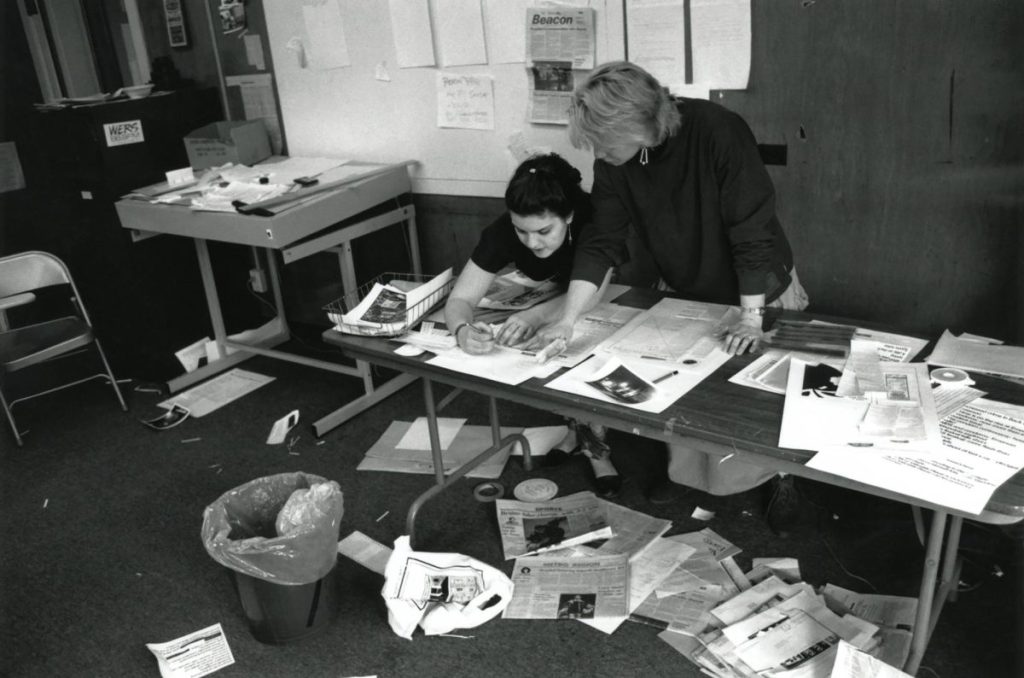
Mastering modern newsroom fact checking mechanics protects investigative reporters and copy desks from publishing catastrophic errors that permanently obliterate public credibility. When the scramble for breaking attention collisions with complex documentation, speed routinely disguises itself as competence. A reporter receives a leaked PDF, notes an explosive quote, matches the surface narrative with existing biases, and hits publish. Within hours, forensic analysts dismantle the document metadata, the quoted official issues a verifiable timestamped denial, and the editorial desk is left managing an irreversible credibility implosion.
Journalistic errors rarely stem from malice. Instead, they are the structural byproduct of friction points inside an overloaded editorial pipeline. Facts are not monolithic entities waiting to be scooped up off the pavement; they are fragile, context-dependent fragments vulnerable to misinterpretation, intentional manipulation, and cognitive blind spots. Analyzing why high-profile retractions occur reveals why robust newsroom fact checking mechanics remain the bedrock of institutional authority.
The High Stakes Architecture of Information Verification
In traditional legacy media structures, the separation of church and state did not merely refer to the firewall between editorial and advertising. It described the intentional tension between the reporter who gathered the story and the independent fact checker whose sole professional mandate was to doubt every syllable of it. The checker operated not as a copyeditor fixing split infinitives, but as a forensic auditor interrogating the evidentiary scaffolding of every assertion.
This verification architecture relies on friction. Editorial friction is the deliberate deceleration of an article between manuscript submission and public dissemination. When an investigation alleges financial misconduct, regulatory evasion, or institutional betrayal, the psychological pressure to break the revelation first creates dangerous cognitive shortcuts. Reporters develop emotional investment in their scoops. They bond with human sources who have risked careers to provide testimonies, inadvertently granting those sources an unearned presumption of absolute veracity.
An adversarial verification desk exists specifically to neutralize this emotional affinity. Just as mastering cast iron seasoning mechanics and 4 proven rules to build an indestructible nonstick skillet requires patience and systematic layers of heat polymerization rather than a quick surface coat, durable journalism requires iterative layers of verification that fuse raw testimony into verifiable truth. If an editorial board prioritizes algorithmic velocity over systematic auditing, it does not possess an editorial process; it possesses a dissemination clearinghouse that will inevitably stumble into a devastating retraction.
How Lateral Reading Replaced Linear Research Desks
For generations, checking a story meant vertical verification. A researcher sat with an encyclopedic clip archive, printed reference books, and physical directories, working sentence by sentence down the galley proof. They scrutinized footnotes, called switchboards to verify official titles, and placed grease-pencil marks over verified figures. While methodical, vertical reading left newsrooms catastrophically unprepared for modern information operations, forged electronic records, and astroturfed digital paper trails.
To survive modern disinformation campaigns, the evolution of newsroom fact checking mechanics shifted from archival cross-referencing into digital forensics. Modern desks rely on lateral reading. Rather than remaining within the four corners of a provided document or assessing the professional design of an external website, verification editors instantly step outside the source material. They analyze who owns the hosting server, cross-reference corporate registry filings across foreign jurisdictions, and run reverse-image forensics to uncover the origin point of viral media.

The 4 Proven Rules That Shield Investigative Desks From Catastrophe
When newsroom fact checking mechanics falter under commercial deadlines, even veteran editors fall victim to sophisticated hoaxes and confirmation bias. Preventing career-ending editorial blunders requires strict adherence to institutional protocols designed to withstand panic, competition, and executive impatience.
Enforce Independent Corroboration Beyond Parallel Sourcing
The single-source scoop is an existential gamble that competent newsrooms strictly forbid for contentious allegations. However, the common industry substitute known as two-source corroboration frequently creates a dangerous illusion of certainty. When two independent government aides verify an identical explosive meeting, novice editors celebrate confirmation. Master verification desks pause to inspect the origin pool.
Parallel sourcing occurs when two ostensibly distinct individuals parrot the exact same unverified briefing paper or hear the identical rumor from the same principal player. They are not two sources; they are two echoes of a single acoustic event. Rigorous newsrooms demand divergent corroboration. An assertion must be independently verified by distinct source categories: physical documentation with authenticated cryptographic or paper custody, unaligned human witnesses with competing career incentives, and quantitative data records. If two sources drink from the same water cooler, their corroboration is mathematically zero.
Interrogate the Evidentiary Chain of Custody
Every leaked dossier, audio recording, and internal memo has a provenance. An investigation that treats evidence as an abstract digital asset floating on an encrypted drive invites disaster. This is precisely where disciplined newsroom fact checking mechanics enforce a paper trail that withstands intense scrutiny.
Investigative checkers must demand precise answers to forensic custody questions. Who originally touched this file? Was it extracted directly from an enterprise server, or did it transit through an intermediary public relations firm with political skin in the game? Are the metadata creation timestamps chronologically consistent with operating system update schedules of that era? Verifying a document requires authenticating not just the ink on the digital page, but the physical reality of the pipeline that delivered it to the newsroom.
Apply Adversarial Stress Testing Before Publication
Before a monumental investigative piece clears final production, top newsrooms assemble a red team. This group consists of senior editors and staff legal counsel who had zero involvement in reporting or writing the story. Their single assignment is ruthless: destroy the narrative.
The red team reads the manuscript not as sympathetic colleagues, but through the hostile gaze of the subject’s defense attorneys. They identify weak semantic constructions where an adjective carries structural weight that the underlying evidence cannot support. They spot uncorroborated inferences disguised as factual transitions. By identifying fragile premises inside the safety of an editorial conference room, the desk prevents catastrophic legal exposure and public humiliation once the piece hits the public record.
Decouple Breaking Speed From Factual Attribution
The pressure to match another outlet’s developing bulletin is the primary vector through which media contagion spreads. When a rival wire service pushes an unverified claim, editorial desks panic. The standard escape hatch is attributed hedging, publishing headlines that state a rival publication is reporting an unconfirmed scandal.
Attributed laundering is an abdication of journalistic responsibility. If an event has not been verified by your desk, amplifying someone else’s unverified reporting transfers their failure mode directly into your institutional reputation. Resilient newsrooms maintain a rigid protocol: breaking speed must never supersede primary verification. Withholding an unconfirmed bulletin for twenty minutes while cross-checking public records protects an organization from spending the next twenty years living under the shadow of a front-page retraction.
The Silent Cost of Institutional Retractions and Trust Erosion
When a newsroom publishes a factual error, the institutional response is typically procedural: an editor amends the digital text, adds an italicized correction box at the foot of the page, and hopes the algorithmic cycle churns forward. However, media forensics confirm that corrections travel at a fraction of the velocity enjoyed by the original falsehood. The sensational error ricochets across social networks, syndication aggregators, and partisan ecosystems, while the quiet correction reaches only a sliver of the original audience.
Beyond immediate distribution metrics, demonstrating that compromised newsroom fact checking mechanics inflict compounding reputational damage is evident in audience retention patterns. The public rarely tracks the nuanced legal differences between an honest reporting oversight and an intentional fabrication. To the outside reader, every unforced factual error looks like ideological bias or rank amateurism. When an outlet repeatedly corrects basic dates, misidentifies core corporate entities, or bungles regulatory data, readers mentally downgrade the entire publication from an essential civic pillar to low-grade digital noise. Authoritative resources such as Columbia Journalism Review research on press accountability consistently emphasize that accuracy is the only currency an independent press can exchange for durable public trust.
Building an Unbreakable Verification Culture Across the Desk
Technical verification checklists are meaningless if the newsroom culture rewards sensationalism over precision. If junior reporters believe that being first guarantees promotion while taking an extra hour to audit source documentation invites managerial criticism, errors will systematically proliferate. A resilient publication constructs its editorial incentives around verification durability.
This requires elevating fact checkers from invisible support staff into decisive gatekeepers with legitimate veto authority over publication deadlines. If a lead checker cannot confirm an indispensable line of reporting twenty seconds before print runs or digital publishing, the story stays on the staging server. No exceptions, no executive overrides, no editorial appeals to commercial urgency. Committing to comprehensive newsroom fact checking mechanics transforms an ordinary publication into a fortress of verifiable fact, capable of publishing monumental truths that withstand the harshest institutional retaliation.