San Luis Obispo Updates Reveal 5 Critical Central Coast Events Unfolding Now
A convergence of pressing municipal events has brought San Luis Obispo into sharp focus across California. From confirmed measles exposures to major traffic gridlocks, here is the full breakdown.

Recent San Luis Obispo updates indicate that California’s picturesque Central Coast is confronting a rapid series of civic and public safety challenges. While the region is best known for its scenic coastal topography, historic downtown mission, and university energy, the past several days have tested local infrastructure, emergency responsiveness, and healthcare surveillance. Municipal agencies and county officials have mobilized across multiple sectors to address sudden developments ranging from infectious disease risks to arterial traffic jams and urban corridor planning.
Understanding how these disparate incidents connect requires a comprehensive look at the realities facing mid-sized California municipalities. When transit networks experience friction or public health alerts surface, the ripple effects move quickly through tightly knit communities. Examining the timeline of these events offers essential perspective on how local leaders and residents are navigating an unusually eventful week.
Public Health Alert as Confirmed Measles Exposure Hits Medical Facilities
Infectious disease surveillance took center stage across the county following an urgent notification from regional healthcare authorities. As reported by Mustang News, public health officials confirmed a positive case of measles within the municipality on October 8. Given the extreme transmissibility of the measles virus, county epidemiologists immediately initiated contact tracing and issued a public warning regarding potential exposure sites.
Health investigators determined that the infected individual visited two local medical facilities while infectious. Measles travels through microscopic respiratory droplets that remain suspended in indoor air for up to two hours after an infected person departs. Consequently, regional health authorities instructed patients, visitors, and healthcare staff who visited the designated facilities during the exposure windows to monitor themselves closely for symptoms. Common indicators include high fever, cough, runny nose, conjunctivitis, and the hallmark erythematous maculopapular rash that typically spreads from the hairline downward.
The announcement prompted local clinics and community healthcare providers to review vaccination verifications. Measles-mumps-rubella immunization programs historically provided strong herd immunity across the Central Coast, yet any breach in coverage creates vulnerabilities for infants under twelve months, pregnant women, and immunocompromised individuals. Tracking these San Luis Obispo updates reveals how rapidly localized alerts can elevate into regional safety concerns, reinforcing the necessity of swift public disclosure and clinical vigilance.
Downtown Police Pursuit Ends with DUI Suspect Detained in Creek
Public safety concerns shifted to the city center late Friday evening during an unpredictable confrontation between municipal law enforcement and a reckless motorist. As reported by Cal Coast News, officers were dispatched to downtown streets after witnesses reported a vehicle driving erratically through pedestrian and commercial zones, presenting an immediate hazard to late-night patrons.
When patrol units located the vehicle, the driver attempted to evade custody. Rather than complying with traffic stops, the suspect abandoned the automobile in the downtown core, leaving behind an open bottle of vodka inside the cabin. The individual then fled on foot toward the riparian zone of San Luis Obispo Creek, which meanders through the heart of the downtown corridor. The creek bed features dense foliage, uneven rock embankments, and deep shadows, presenting tactical challenges for pursuing officers.
According to municipal crime logs and ongoing San Luis Obispo updates, officers quickly established a perimeter around the waterways, utilizing tactical flashlights and coordination across adjacent bridges to prevent escape. Police successfully captured the DUI suspect inside the creek without serious injury to officers or bystanders. The incident prompted renewed conversations among local business owners regarding downtown traffic enforcement, weekend nightlife safety, and the preservation of walkable retail zones.
Highway 101 Multi-Vehicle Collision Paralyzes South County Commuters
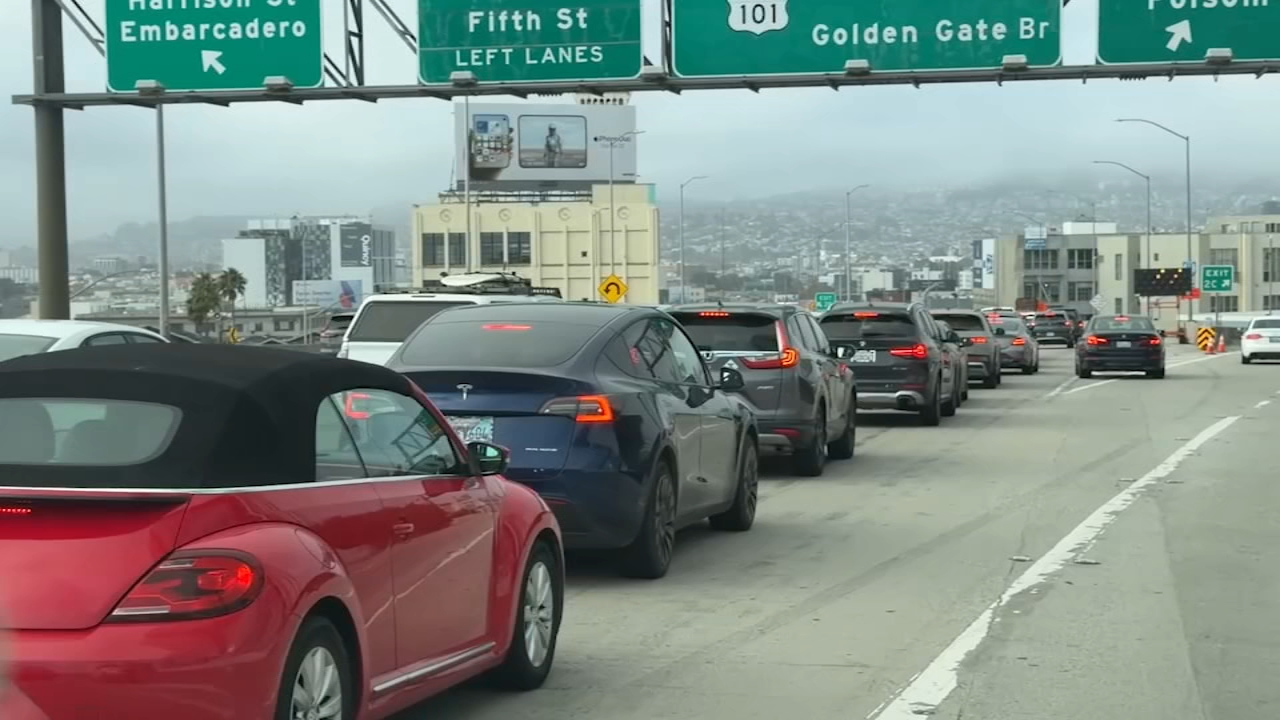
Transportation logistics faced severe strain along the primary coastal artery connecting the Central Coast to Southern California. As reported by the San Luis Obispo Tribune, emergency personnel responded to a major four-car collision on Highway 101 in South County, triggering widespread congestion that spanned miles.
The multi-vehicle wreck occurred during peak travel hours along a stretch of the freeway known for high-speed mergers and heavy freight transit. First responders arrived to find four damaged automobiles scattered across traffic lanes, necessitating the closure of multiple sections to clear debris, assess vehicle occupants, and manage fluid leaks on the asphalt. Paramedics treated individuals at the scene for minor injuries, and officials confirmed that no fatalities occurred despite the violent impact of the pileup.
The operational consequence of the crash was immediate and severe. Highway 101 serves as the sole high-capacity north-south corridor through the county, meaning that any blockage inevitably backs up regional commerce, school transit, and municipal bus routes. Commuters following real-time San Luis Obispo updates experienced extensive delays as emergency crews cleared debris, illustrating the inherent vulnerability of coastal transportation infrastructure when primary routes become compromised.
Five Crucial Factors Reshaping Safety and Community Dynamics Across the Region
Evaluating recent San Luis Obispo updates requires analyzing the confluence of transportation redesign, health alerts, and community transitions. The challenges confronting city administrators are multifaceted, demanding simultaneous interventions across infrastructure, public health, and urban maintenance.
Broad Street Corridor Redesign and Civic Participation
City planners have turned their attention toward long-term arterial safety. As reported by KSBY News, municipal leaders are actively seeking community input on comprehensive safety proposals for Broad Street. Broad Street functions as a vital commercial and residential connector, carrying thousands of vehicles, cyclists, and pedestrians daily. The city hosted specialized public workshops to gather neighborhood feedback on lane configurations, pedestrian refuge islands, and enhanced bicycle infrastructure to curtail speeding and reduce collisions.
Healthcare Surveillance Following Medical Center Exposure Warnings
Public health teams continue active surveillance across the two medical facilities highlighted in the recent measles bulletin. Epidemiologists are coordinating with clinic administrators to review appointment logs, reach potentially exposed individuals, and provide post-exposure prophylaxis where clinically appropriate. This rigorous contact tracing demonstrates how local clinical networks mitigate community-wide outbreaks through rapid mobilization.
Arterial Vulnerability Along Highway 101 Transit Corridors
The South County four-vehicle wreck highlighted the pressing need for resilient traffic contingency plans. Because geographic barriers between coastal hills and the Pacific Ocean restrict alternate bypass routes, transit planners must look toward enhanced incident management systems, automated warning signage, and rapid-clearance protocols to prevent localized accidents from severing regional transit.
Urban Creek Corridors and Downtown Public Safety Protocols
The Friday night foot pursuit into the downtown creek bed emphasized the unique environmental layout of the city center. While the natural riparian corridor provides aesthetic and ecological value, it also presents distinct public safety dynamics during late-night hours. Municipal authorities are reviewing illumination levels, pedestrian bridge monitoring, and night-shift police patrols to maintain safety throughout the downtown district.
Honoring the Enduring Legacy of Dr Harold Maurice Cota
Amidst immediate operational challenges, the community also paused to reflect on its institutional heritage. According to memorial notices published in the San Luis Obispo County Tribune, the academic and scientific community is mourning the loss of Dr. Harold Maurice Cota, who passed away on October 6, 2026, surrounded by family. Dr. Cota was a distinguished Cal Poly Professor Emeritus in Environmental Engineering. Throughout decades of scholarship, he trained generations of engineers in air pollution control and environmental stewardship, leaving an indelible mark on California’s environmental policy landscape.
Community Resilience and the Intersection of Wellness and Physical Discipline
Balancing civic friction with community wellness is a defining characteristic of the Central Coast lifestyle. University students, researchers, and longtime residents frequently turn toward athletic pursuits to manage the pressures of academic and professional life. The city’s recreation facilities, public tennis courts, and fitness centers remain active hubs where residents cultivate technical precision and physical resilience.
Whether training on local courts or analyzing athletic movement, the focus required for peak physical performance mirrors the structured approach needed to solve complex civic problems. For example, athletes looking to optimize stroke mechanics study Tennis topspin mechanics and 4 proven rules to generate devastating baseline power, applying rigorous physics to achieve consistency and control. In much the same way, municipal administrators must apply disciplined, proven methodologies to urban planning, traffic calming, and epidemiological defense to produce stable community outcomes.
Residents reviewing these San Luis Obispo updates recognize that civic resilience depends on proactive community engagement. When citizens participate in urban planning forums, respect public health guidelines, and practice responsible driving habits, the community as a whole becomes better equipped to absorb sudden disruptions without losing its cultural vitality.
Moving Forward Through Interconnected Civic Challenges
The simultaneous arrival of transit snarls, public health exposure alerts, and infrastructure discussions highlights the interconnected nature of modern civic governance. No single department operates in a vacuum. A vehicle collision on Highway 101 impacts commercial deliveries to Broad Street businesses, while emergency room staff managing accident patients must simultaneously adhere to heightened infection protocols following potential measles exposures.
As further San Luis Obispo updates emerge, civic leaders and public health authorities must maintain open channels with residents. The willingness of community members to attend public workshops regarding street safety, cooperate with epidemiological outreach, and support municipal emergency services will determine how swiftly the region resolves these present challenges. By pairing scientific vigilance with sound infrastructure planning, the Central Coast continues to demonstrate how mid-sized communities can address complex urban realities while preserving their exceptional quality of life.