Ronald Holland II Faces 4 Crucial Realities After Detroit Pistons Contract Decision
The Detroit Pistons have formally picked up the fourth-year rookie scale option on forward Ron Holland II through the 2027-28 NBA season. While the contract move locks in short-term cost certainty, front office dynamics suggest long-term roster construction remains wide open.

When the Detroit Pistons exercised their fourth-year rookie scale option on Ronald Holland II, front office strategists sent an unmistakable signal about their asset management philosophy. As verified by reporting from RealGM and the Detroit Free Press, the Motor City franchise has formally exercised its 2027-28 team option on the dynamic wing. Entering the 2026-2027 campaign, the 21-year-old forward finds his immediate professional horizon locked into Detroit’s ledger, giving the organization contractual control through the fourth year of his entry-level framework.
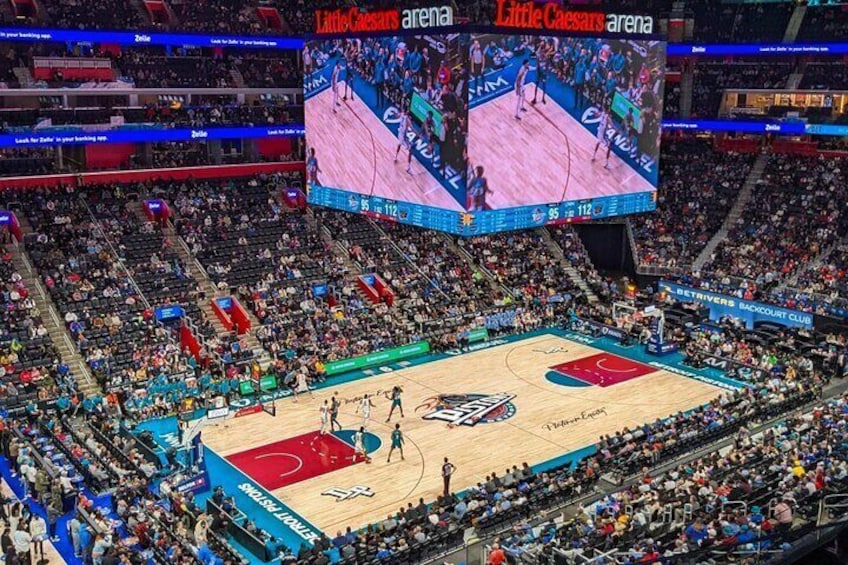
Yet, in the high-stakes theater of modern basketball economics, a picked-up contract option rarely tells the whole story. Analysts at PistonPowered were quick to stress that securing the forward’s upcoming term does not guarantee that his long-term career will unfold exclusively inside Little Caesars Arena. Instead, the tactical decision establishes a defined runway where evaluation, trade utility, and schematic progression converge.
The Mechanics Behind the Detroit Pistons Roster Decision
To unpack why Detroit moved ahead of critical league deadlines, one must examine standard rookie scale structure governed by the NBA collective bargaining agreement. First-round draft selections receive standard four-year contracts consisting of two guaranteed seasons followed by independent team options for years three and four. As noted by Yahoo Sports, the 2026-2027 season marks the third professional campaign for Holland, meaning the Pistons faced an autumn deadline to secure his fourth-year rights for 2027-28.
By picking up the option well before the roster deadline, executive leadership avoided unnecessary distraction while cementing cost predictability. Deciding early to solidify the timeline of Ronald Holland II guarantees that the franchise preserves maximum financial agility under an increasingly punishing collective bargaining environment. Rather than allowing a high-upside lottery talent to drift into an ambiguous contract status, Detroit secured a cost-effective rotation asset at an established wage scale.
For rebuilding organizations, young forwards who possess exceptional motor skills and transition speed represent premium value. Allowing rookie-scale options to decline is exceedingly rare across the league, generally reserved for total operational mismatches or catastrophic injury situations. By executing the transaction, Detroit checked the procedural box expected of modern front offices managing prized young talent.
Strategic Asset Management and the Myth of Permanent Retention
While local fanbases frequently celebrate option pickups as vows of perpetual loyalty, sophisticated roster architects interpret them through the lens of transactional flexibility. As highlighted by PistonPowered’s post-decision analysis, exercising team leverage is fundamentally about organizational control. It gives the Pistons the authority to dictate whether the player serves as an integral pillar of the future starting five or as an attractive centerpiece in future multi-player trades.
The relentless motor and physical wingspan of Ronald Holland II have provided glimpses of a modern two-way archetype that fits modern NBA spacing. However, a franchise navigating an extended rebuild cannot afford sentimentality. If Detroit decides down the road to chase an established superstar via trade, having young, athletic contributors on controlled, modest salary figures is mandatory currency under the restrictive collective bargaining aprons.
Front office executives operate in a shadow market where contract posturing and trade chatter frequently leak to the press. Understanding how sports journalists verify these sensitive roster discussions mirrors the investigative protocols outlined in our analysis of Anonymous source mechanics and 4 proven rules that prevent devastating credibility collapse, ensuring that rumors are distinguished from verified front office action.
Four Crucial Realities Defining the Future in Detroit
As the Pistons navigate the ongoing 2026-2027 season and chart a course toward 2028, four pivotal factors will determine how this roster decision alters the franchise’s competitive trajectory.
1. Cost Certainty Under the Restrictive Collective Bargaining Agreement
The current NBA luxury tax system features punitive first and second tax aprons designed to curb reckless spending by heavyweights. For a small-to-mid-market team like Detroit, finding high-upside production at bargain rates is not just advantageous; it is essential for roster survival. Retaining Ronald Holland II at a predetermined rookie scale figure offers immediate relief against aggressive tax penalties, allowing management to balance lucrative veteran payrolls alongside emerging homegrown contributors without triggering punitive draft pick freezes.
2. Benchmarking Growth Against Elite Eastern Conference Competition
The true measure of a young forward’s ceiling occurs during direct clashes against perennial conference contenders. ESPN live coverage tracking Detroit’s showdowns with elite squads like the Boston Celtics illustrates the defensive demands placed upon emerging wings. When squaring off against seasoned All-NBA performers like Jayson Tatum and perimeter marksmen like Sam Hauser, Detroit requires relentless defensive length and interior help alongside rim anchors like Neemias Queta on the opposing glass. The physical profile that made Holland an enticing lottery prospect must consistently translate into disruptive defensive execution during these high-leverage games.
3. Trade Value Leverage and Roster Flexibility Across the League
An unsigned young player entering a potential walk year holds depreciated trade value because rival suitors fear rental scenarios. By officially exercising the 2027-28 option, Detroit preserved peak trade leverage. When opposing general managers evaluate Ronald Holland II, they recognize that a player on a cost-controlled contract through the next two seasons represents an insulated asset. If Detroit decides to pursue elite backcourt or frontcourt reinforcements at future trade deadlines, Holland remains an extraordinarily liquid asset that can facilitate complex financial machinery.
4. The Developmental Trajectory of a High Upside Two Way Wing
Contract security provides peace of mind, but on-court execution determines rotational hierarchy. Entering his third professional season at 21 years old, the developmental curve for Ronald Holland II hinges on perimeter decision-making, half-court offensive efficiency, and consistent three-point shooting. NBA defenses quickly diagnose transition-heavy wings who struggle from the corners. If his offensive repertoire expands to match his fierce defensive anticipation, Detroit gains a foundational wing that can complement any modern offensive system.
Navigating the Next Era of Motor City Basketball
The Pistons’ decision to solidify Holland’s contract through 2028 reflects cold, calculated front office pragmatism. It protects the franchise’s investment, preserves cap elasticity, and grants the coaching staff a multi-year window to unlock the forward’s raw athletic ceiling. Whether Detroit represents his permanent professional home or a springboard toward an evolving role across the association, the baseline has been officially set.
As the team measures its ongoing progress against the Eastern Conference elite, the trajectory of Ronald Holland II remains one of the most compelling narratives in Detroit’s long-term resurgence plan. With contractual clarity now secured, performance alone will dictate where the young wing stands when the next era of Pistons basketball takes full shape.