Fitness Upended by 5 Critical Realities from Aging Science to Gym Scandals
From a 47-year aging study to Hollywood injury confessions and privacy lawsuits, the wellness industry faces a dramatic reckoning. Here is how modern movement culture is radically shifting away from toxic perfection.
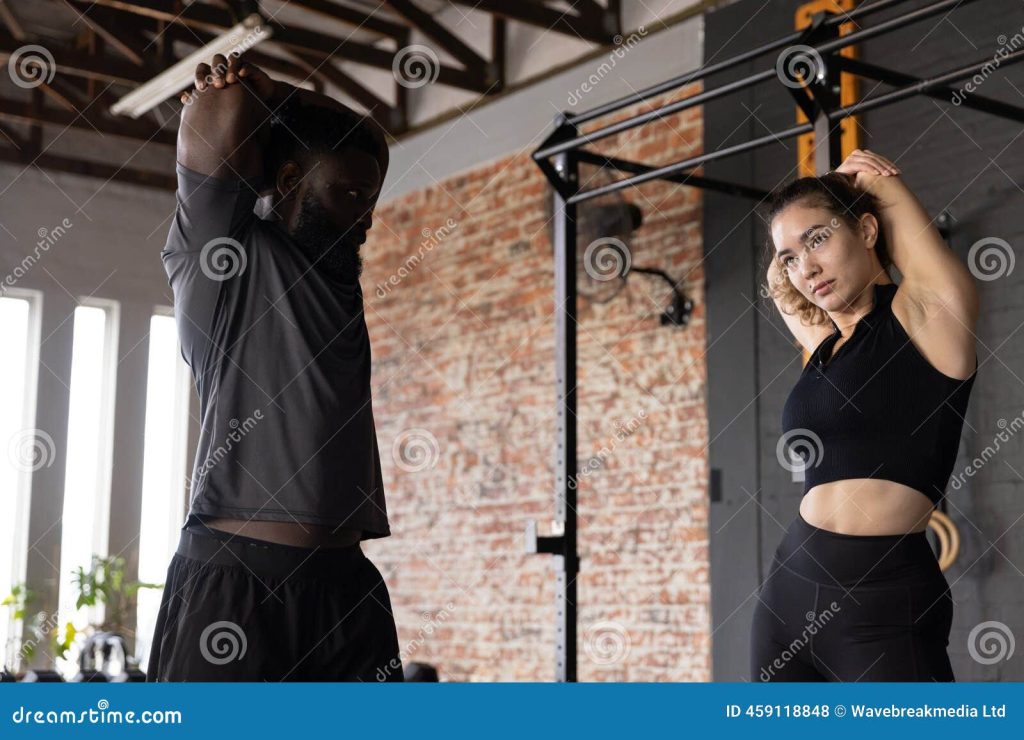
Every January, millions chase the promise of personal transformation, yet modern fitness culture rarely survives the harsh friction of biological aging and systemic neglect. For decades, commercial wellness marketing peddled a seductive narrative where relentless exertion and pristine gym memberships guaranteed perpetual youth and invincibility. That glossy facade has begun cracking under an avalanche of sobering scientific discoveries, disturbing facility scandals, and honest admissions from world-renowned icons. Instead of aspiring toward chiselled aesthetics, everyday exercisers are confronting the complex realities of natural bodily aging, institutional security failures, and the physical breakdown that often accompanies extreme workout regimens.
The cultural dialogue surrounding human health is undergoing a profound paradigm shift. Where past generations prized heavy weightlifting sessions lasting hours and hyper-regimented diets, today’s conversation is forced to accommodate institutional accountability, psychological sustainability, and the biological limits of the human anatomy. When high-profile actors openly confess to lasting orthopedic devastation and landmark longitudinal studies rewrite the timeline of human physical peak, old workout dogmas inevitably collapse.
The Crumbling Myth of Flawless Physical Invincibility
Commercial gym culture has long functioned on the assumption that the human body is an infinitely malleable machine capable of overcoming any biological threshold through sheer grit. Gym advertisements habitually project images of ageless, hyper-defined bodies that seemingly defy the wear and tear of daily life. This illusion has created an unsustainable atmosphere where physical setbacks, chronic inflammation, and age-related performance dips are framed as personal character defects rather than normal physiological events.
The consequences of this aesthetic obsession are visible across every demographic. Novice gymgoers regularly subject their joints and connective tissues to dangerous loads, driven by algorithmic feeds showcasing extreme workout splits and unnatural physiques. By divorcing physical exercise from functional longevity, the commercial fitness industry created an environment where burnout, severe injury, and widespread disillusionment became almost inevitable outcomes for everyday participants seeking basic health improvements.
A Landmark Scientific Discovery Around Physical Decline
Long-held assumptions about when the human body begins losing functional capacity have fundamentally distorted how individuals plan their exercise journeys. Commercial spaces routinely sell high-intensity programming under the assumption that youthful power can be indefinitely sustained if individuals simply possess enough willpower. When researchers track functional movement across an entire lifespan, however, the real benchmarks of athletic longevity look vastly different from commercial advertisements. Recent scientific inquiries into human fitness indicate that baseline degradation arrives much sooner than most casual gymgoers realize, exposing a stark contrast between corporate marketing slogans and biological facts.
The disconnect between gym marketing and physiological reality generates unnecessary guilt among adults experiencing natural physical slowdowns. By presenting bodily wear as a personal moral failing rather than an inevitable biological transition, the exercise industry has historically alienated millions of people. Understanding the exact inflection points of human physical strength allows individuals to adjust their regimens proactively, shifting from unsustainable powerlifting to joint-preserving longevity training.
5 Critical Revelations Reshaping How the World Views Exercise
1. The Reality of Midlife Decline Revealed in a 47 Year Study
Scientific assumptions regarding when muscular degradation begins were recently recalibrated by rigorous empirical evidence. As reported by Science Daily, an extraordinary 47-year longitudinal study has uncovered a surprising turning point in human physical aging, demonstrating that bodily strength and stamina begin declining around age 35. Crucially, the long-term data revealed that this biological deceleration occurs even among active individuals who exercise consistently, directly refuting the myth that vigorous workout habits grant immunity against cellular aging.
The findings highlight that midlife physiological adjustments are not anomalies or signs of athletic failure, but standard milestones of human biology. Researchers found that while consistent activity helps maintain functional mobility and metabolic resilience, the rate of peak force production and muscle recovery inevitably shifts after the mid-thirties. Acknowledging this natural milestone allows athletes to transition away from ego-driven lifting numbers and prioritize sustainable resistance regimens, proactive joint recovery, and mobility work.
2. The Enduring Appeal of Brief Minimalist Routines
While commercial enterprises pressure consumers into purchasing high-priced gym passes and specialized footwear, older practitioners demonstrate that simplicity often outlasts trend-driven complexity. As reported by Grazia, 81-year-old actress Helen Mirren credits her enduring fitness to a compact 12-minute routine that she has practiced consistently for several decades. Mirren relies on the historic Canadian Royal Air Force conditioning program, an austere regimen requiring only a flat floor and 12 uninterrupted minutes of daily movement, with zero equipment or athletic apparel necessary.
Modern exercise physiologists corroborate the efficacy of Mirren’s minimalist approach, noting that short, calibrated bouts of bodyweight calisthenics deliver cardiovascular activation and joint stability without excessive structural stress. In a world inundated with 60-minute boutique workouts and high-friction gym commutes, Mirren’s routine stands as empirical proof that low-barrier consistency yields superior functional longevity compared to grueling, intermittent exercise sprees.
3. Severe Physical Toll Behind Hollywood Muscle Standards
For decades, global cinematic superstars have served as the aesthetic templates for hyper-muscular physique ideals, yet the true health toll of these transformations remains hidden from view. As reported by NDTV, the actor candidly revealed how extensive physical trauma derailed his baseline fitness during the production of demanding blockbusters. Detailing the lasting damage he suffered while preparing for his physically brutal role in the 2016 wrestling film Sultan, Khan noted that his head was broken and his shoulder was severely damaged, triggering a domino effect of chronic orthopedic and neurological complications over subsequent years.
Khan’s revelation punctures the widespread illusion that aesthetic bulk equates to internal wellness. The intense dehydration, extreme caloric manipulation, and punishing stunt loads required to portray heroic physiques on screen often inflict permanent joint destruction and neuromuscular trauma. When global cultural titans admit that chasing hyper-muscular physiques destroyed their orthopedic baseline, it delivers a vital wake-up call to young lifters pushing their bodies to dangerous extremes in search of cinematic perfection.
4. Legal Fallout and Privacy Breaches Inside Commercial Gyms
Beyond biological realities, commercial workout environments are facing severe reputational crises surrounding personal privacy and consumer safety. According to an investigative report by NBC 5 Dallas-Fort Worth, a North Texas woman filed a major lawsuit against Planet Fitness operators after discovering she was secretly recorded while undressed inside a private tanning enclosure. The incident, which unfolded at a Frisco, Texas facility, led municipal police to arrest an individual on criminal charges, sending shockwaves through the local athletic community and igniting nationwide concerns over surveillance inside private wellness spaces.
The legal complaint highlights severe institutional oversights within mass-market athletic facilities, where rapid corporate expansion often outpaces member protection protocols. For millions of gymgoers, particularly women, commercial health facilities have marketed themselves as accessible, non-intimidating safe havens. High-profile lawsuits targeting facility management for failing to safeguard private changing and tanning areas illustrate a troubling breakdown in corporate accountability, driving many consumers away from commercial gyms and toward private home training setups.
5. The Shift Away from Superficial Aesthetics Toward Real Community
The commercial model that dominates the modern workout marketplace is increasingly criticized for exploiting personal insecurities rather than fostering sustainable health. An incisive opinion analysis published by Newsweek argues that the wellness industry must stop marketing unachievable bodies and instead cultivate genuine fitness communities that offer lasting emotional support. The piece underscores how the annual flood of January gym registrations relies on predatory marketing that commodifies human vulnerability, setting unrealistic visual goals that result in rapid burnout and widespread member attrition by late February.
Newsweek asserts that retention and genuine physical wellbeing depend on moving away from body-shaming metrics and vanity-driven incentives. When gym operators construct spaces focused on communal engagement, social belonging, and progressive movement rather than aesthetic perfection, members maintain their workout habits across years rather than weeks. Transforming exercise from an isolating, mirror-obsessed chore into an empathetic social practice represents the ultimate remedy to the modern health crisis.
Strategic Realignment Beyond Marketing Promises
The confluence of legal controversies, celebrity health warnings, and longevity science demands an urgent reevaluation of how everyday exercisers approach physical conditioning. Navigating this landscape requires balancing institutional trust against personal physical safety. Consumers can no longer afford to accept corporate marketing at face value, whether evaluating facility security protocols or committing to grueling lifting programs that risk long-term spinal and joint damage.
Just as athletic organizations face intense institutional scrutiny during pivotal competitive crossroads—much like how Borussia Dortmund Faces 4 Major High Stakes Decisions in Arctic Champions League Clash—individual exercisers must weigh strategic trade-offs when organizing their personal training habits. Rebuilding a healthy relationship with physical training means rejecting commercial pressure, prioritizing functional longevity over superficial physique milestones, and demanding rigorous oversight from commercial athletic operators.
A Grounded Path Forward for Sustainable Health
The era of unquestioned reverence for extreme exercise dogma and commercial gym chains is ending. Modern exercisers possess unprecedented access to long-term scientific research, enabling them to construct balanced, injury-free daily routines that honor natural biological rhythms. From the minimalist efficiency of historic bodyweight drills to the vital rejection of toxic cinematic aesthetics, the future of movement belongs to moderation, privacy, and supportive community spaces. By discarding commercial vanity in favor of biological honesty, society can reconstruct a model of lifelong fitness that actually survives the test of time.