Anonymous source verification mechanics and 4 proven rules that prevent disastrous news errors
Unvetted leaks and fabricated tips can destroy a newsroom overnight. Discover the rigorous tradecraft, legal protocols, and verification mechanics that separate groundbreaking journalism from catastrophic retractions.

Mastering anonymous source verification mechanics protects investigative journalists from fabricating fabulists, malicious political operatives, and catastrophic retractions that can permanently destroy public credibility. The public frequently envisions investigative reporting as a romantic rendezvous in an underground parking garage where a shadowy figure whispers state secrets into an eager reporter’s ear. In the real world of hard-hitting news reporting, that scenario is an invitation to disaster. Confidential sourcing is not an exercise in romantic faith; it is an adversarial, technical process designed to extract verifiable truth while safeguarding individuals from retaliatory harm.
When an anonymous tip hits a reporter’s desk, the clock starts ticking against two competing forces: the urgency of publishing groundbreaking truth and the acute danger of publishing a weaponized falsehood. News organizations do not grant anonymity to make their stories sound mysterious or authoritative. Confidentiality is a reluctant last resort, granted only when the information is of vital public interest and the source faces credible threats of prosecution, financial ruination, or physical danger. Without a methodical framework to test every claim, unnamed tips become reckless gambles that routinely backfire on careless editorial boards.
The hidden anatomy of non attribution in investigative newsrooms
Every credible investigative newsroom operates under a precise lexicon of ground rules established before any substantive conversation begins. These terms represent contractual obligations between the journalist and the source. Confusion surrounding these definitions remains one of the primary drivers of journalistic malpractice and ethical collapses.
On the record signifies that everything said can be quoted directly and attributed by name and official title. This remains the gold standard of professional journalism because transparency allows readers to evaluate the speaker’s potential biases and institutional authority. On background shifts the dynamic: the information and verbatim quotations can be published, but the source is identified only by a generic descriptor, such as a senior regulatory official or an internal engineering lead. Deep background tightens the perimeter even further, allowing the reporter to use the factual material to guide their investigation without direct quotes and without any attribution whatsoever. Off the record means the material cannot be published, quoted, or attributed in any form; it exists solely to provide context or point toward independent evidence.
At its core, the reality of anonymous source verification mechanics lies in rigorous corroboration rather than blind trust. A veteran journalist never accepts a confidential source’s claims at face value, regardless of how reputable, sympathetic, or high-ranking that individual might appear. Human memory is inherently flawed, institutional grievances distort perspective, and political actors frequently leak partial truths specifically designed to damage adversaries while concealing their own culpability. Sourcing is not merely hearing a story; it is mapping out why the speaker is talking, what they stand to gain, and where the documentary breadcrumbs reside.
Catastrophic blind spots that lead to humiliating retractions
The most pervasive failure mode in modern reporting is circular sourcing. This occurs when two seemingly independent individuals provide identical information to a reporter, creating the illusion of ironclad corroboration. In reality, both sources often share the same upstream origin: a hallway conversation, an unverified internal memo, or a coordinated whispering campaign orchestrated by a public relations firm. If Source A heard a rumor from Source B over drinks, a reporter who interviews both has not found two sources; they have found one rumor reflected across two mirrors.
Another acute vulnerability stems from manufactured documentation. In an era of rapid digital manipulation, high-resolution scans and leaked PDFs cannot be treated as self-authenticating artifacts. Bad actors routinely alter dates, forge signatures, splice disparate paragraphs together, or fabricate entire corporate directives to manufacture a scandal. Without verifying the file structure, cryptographic hashes, and organizational provenance of a leaked document, a newsroom risks building an entire exposé on quicksand.
When major regulatory investigations break—such as when the Bank of America Fine Triggers 4 Major Shocks Across Global Banking—the underlying cases do not rely on vague hallway impressions. Federal regulators and financial watchdogs assemble bulletproof forensic paper trails spanning ledgers, time-stamped chat logs, and signed compliance sign-offs. Investigative journalists must demand that exact same evidentiary threshold before leveling accusations against corporations, governments, or private citizens. Properly executed anonymous source verification mechanics prevent newsrooms from falling prey to these synchronized deceptions and evidentiary traps.
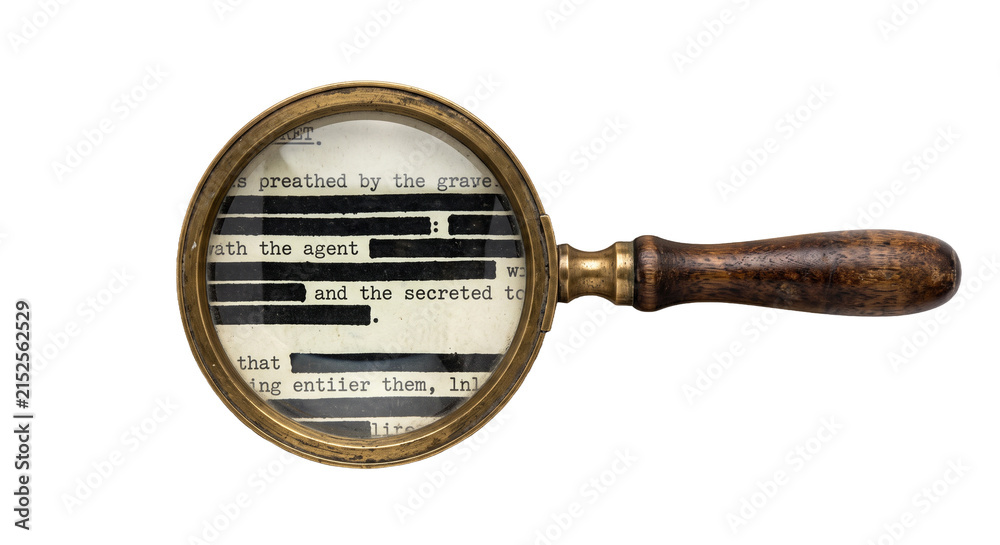
Four proven verification rules that protect newsroom integrity
Preventing devastating retractions requires an unyielding methodology that treats every unvetted assertion as a hypothesis requiring empirical proof. Transforming an anonymous tip into publishable news demands systematic discipline. News organizations that survive decades of legal and political pressure adhere to strict operational protocols rather than editorial hunches.
The dual independent document requirement
Verbal testimony is the weakest form of investigative evidence. Whenever a confidential source describes a secret meeting, a clandestine transaction, or an illegal directive, the reporter must demand physical or digital corroboration. This means seeking contemporaneous records: calendar invites, text message exports, travel manifests, flight logs, internal accounting ledgers, or signed correspondence created at the moment the event transpired. Crucially, this foundational layer of anonymous source verification mechanics ensures that external paper trails substantiate internal oral claims before draft paragraphs are ever filed.
If documentary evidence cannot be procured directly from the primary source, the reporter must locate secondary institutional repositories that inadvertently track the same event. For example, a clandestine corporate meeting leaves digital exhaust: visitor registration logs at the security desk, badge-swipe records in the parking garage, or expensed catering receipts. By anchoring human testimony to stubborn, unalterable physical records, the journalist eliminates the risk of memory drift and deliberate fabrication.
The motive audit and circular sourcing test
Before granting non-attribution, reporters must conduct an exhaustive interrogation of the source’s personal and professional incentives. Why is this person breaking their non-disclosure agreement, risking their employment, or violating organizational loyalty right now? Are they facing an imminent demotion? Are they attempting to front-run an unfavorable audit? Are they seeking revenge against a rival executive?
Understanding motivation does not mean discarding the source if their motives are vindictive; some of history’s most vital disclosures came from angry whistleblowers with personal scores to settle. However, auditing motive illuminates where the source might be exaggerating, omitting exculpatory context, or strategically timing their leak. Furthermore, reporters must directly ask the source: Who else knows this information, who else have you told, and who originally brought this matter to your attention? This line of questioning instantly neutralizes circular sourcing loops before they contaminate the reporting chain.
Mandatory masthead disclosure before publication
No reporter owns a confidential source; the publication owns the relationship. One of the most disastrous historical mistakes in journalism occurs when a lone reporter maintains total secrecy regarding an anonymous source, refusing to share their identity even with top leadership. This dynamic breeds unaccountability and has historically shielded serial fabulists from basic editorial scrutiny.
Ethical newsrooms enforce a mandatory rule: at least one senior masthead editor must know the real name, official title, and background of the confidential source before the story is cleared for publication. The editor is bound by the exact same confidentiality pledge as the reporter. This review mechanism allows an objective third party—someone entirely detached from the adrenaline of chasing the scoop—to interrogate the source’s credibility, probe for conflicts of interest, and confirm that the grant of anonymity strictly aligns with the publication’s standards.
The comprehensive adversarial pushback interview
The ultimate stress test for any anonymous claim is the adversarial response. A rookie mistake involves presenting vague, generalized allegations to the subject of an investigation in an attempt to prevent them from securing an injunction or getting ahead of the story. Professional investigative standards require presenting the subject with granular, detailed, and specific findings, giving them a meaningful opportunity to review records and present counter-evidence.
Adversarial pushback is not a bureaucratic formality; it is a vital fact-checking filter. Targets of investigative reporting often possess documentary proof that dismantles a whistleblower’s claims, such as subsequent memos that reversed an earlier decision or technical logs that explain an apparent anomaly. If the subject provides persuasive counter-evidence, the reporter must return to the confidential source and demand an explanation. If the source evades or waffles, the story is killed or dramatically rewritten. Confronting the target rigorously protects the newsroom from being weaponized by bad-faith tipsters.
Legal firewalls and digital forensics in the era of metadata
Modern anonymous source verification mechanics extend beyond editorial cross-examination into digital operational security. In a surveillance ecosystem where telecommunications metadata, server logs, and location beacons are continuously harvested, protecting a source requires advanced technical tradecraft. An agreement of confidentiality is meaningless if a reporter leaves a glaring digital trail linking their phone directly to a whistleblower’s desk phone.
Investigative units utilize encrypted messaging ecosystems, air-gapped workstations for document analysis, and specialized software to scrub invisible metadata from PDF files and leaked images before publication. Embedded EXIF data, printer tracking dots, and hidden XML markup can identify the precise serial number of the office printer used to produce a hard copy or the exact employee account that downloaded a presentation. Scrubbing this data protects sources from state and corporate security teams actively hunting for leakers.
Journalists must also understand the legal limitations of state shield laws and federal court precedents. The Society of Professional Journalists Code of Ethics explicitly mandates that journalists test the motives of sources before promising anonymity and clearly define the conditions of any promise made. A reporter who guarantees absolute confidentiality without recognizing the threat of grand jury subpoenas, civil contempt orders, or proprietary trade secret lawsuits puts both themselves and their source in grave legal peril.
Building institutional trust through uncompromising tradecraft
The currency of journalism is credibility, and credibility takes decades to build but only a single botched article to incinerate. When an audience reads an article relying on unnamed participants, they are being asked to trust the publication’s brand, its editorial rigor, and its verification architecture. If that trust is abused through sloppy vetting, rushed deadlines, or gullible sourcing, the entire journalistic enterprise suffers lasting reputational damage.
Rigorous verification is not an obstacle to fast reporting; it is the engine of authoritative journalism. By dismantling assumptions, demanding documentary substantiation, auditing hidden motives, and subjecting every claim to intense adversarial scrutiny, newsrooms produce investigative work that alters policy, exposes corruption, and withstands the fiercest legal attacks. Ultimately, mastering anonymous source verification mechanics guarantees that high-stakes reporting withstands aggressive legal assaults and public cynicism.