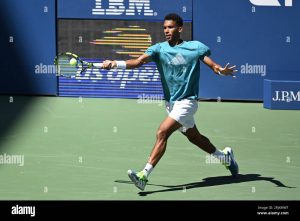
Rafael Jodar Shocks Global Tennis With 4 Major Milestones in Shanghai Masters Run
Spanish newcomer Rafael Jodar reached the round of 16 at the Shanghai Masters, securing his 40th tour win and matching an iconic benchmark set by Novak Djokovic. Here is an investigative breakdown of his historic debut campaign.
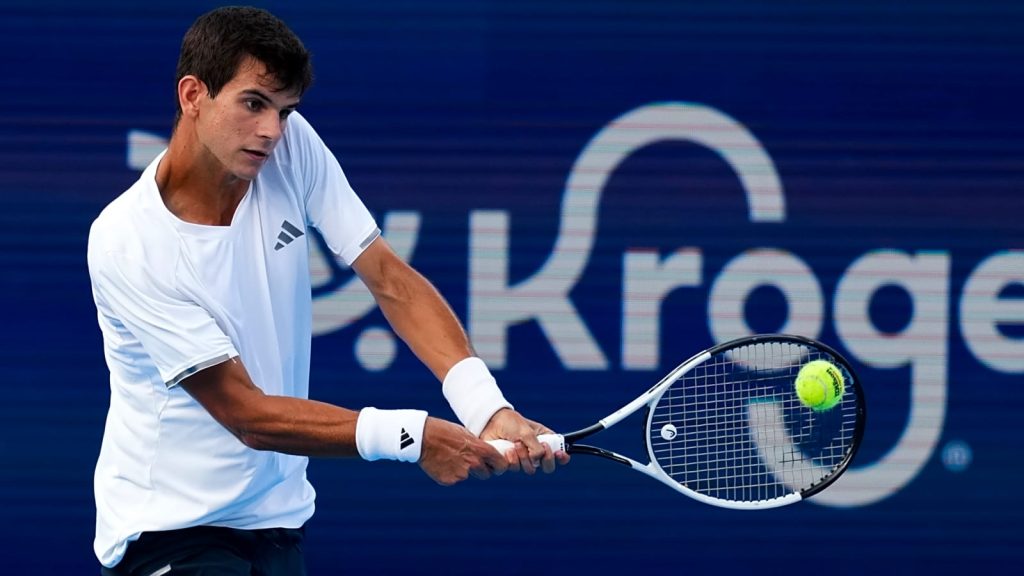
Rising Spanish sensation Rafael Jodar has sent shockwaves through professional tennis at the Rolex Shanghai Masters after securing his fortieth win of a breathtaking debut season. The milestone victory not only vaulted the young newcomer into the round of 16 at one of the ATP Tour’s most prestigious events, but it also triggered immediate historical parallels with current tennis legends. While established title contenders were busy trading blows across the upper halves of the draw, the spotlight abruptly pivoted to the outside show courts where a teenage rookie dismantled top-tier opposition with staggering maturity.
Reaching forty match victories during an initial campaign on the grueling men’s professional circuit is a benchmark reserved for an exceedingly rare class of athletes. For decades, the transition from junior dominance to ATP Tour contention has humbled even the most decorated prospects. The demanding physical baseline exchanges, the mental strain of relentless tournament schedules, and the sheer depth of talent on hard courts routinely stifle rapid ascents. Yet Monday in Shanghai belonged entirely to the fearless court geometry exhibited by Rafael Jodar, whose poise against seasoned Czech competitor Jiri Lehecka turned heads across the grounds.
The Breakthrough Run at the Rolex Shanghai Masters
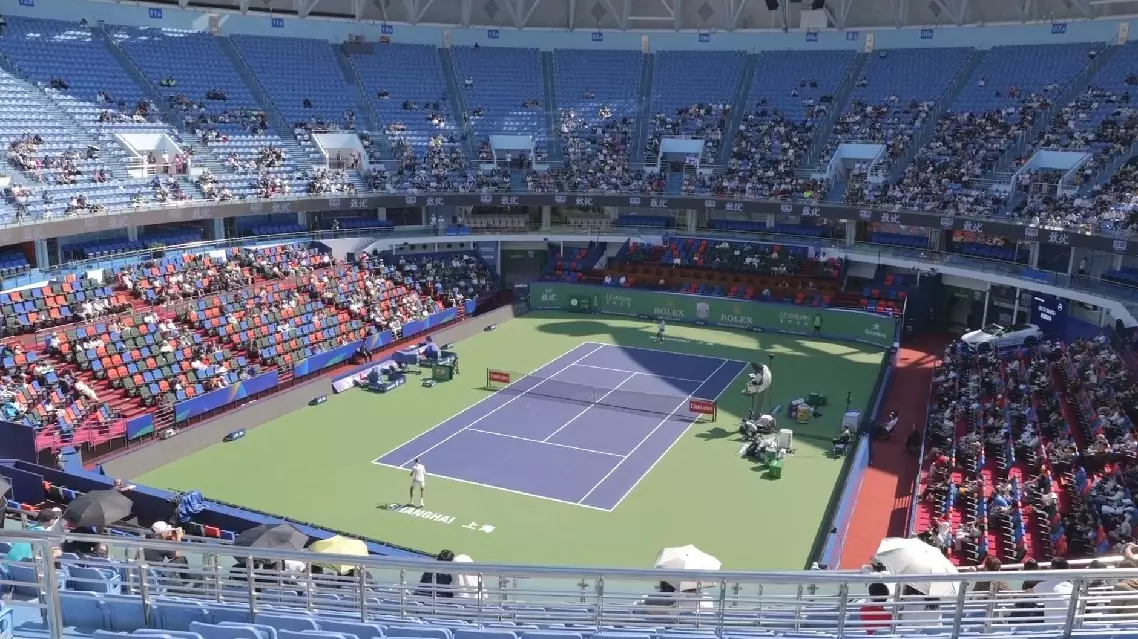
The Rolex Shanghai Masters occupies a distinct position on the global tennis calendar. As the premier Asian stop of the autumn swing, its brisk outdoor hard courts reward decisive ball-striking, relentless stamina, and sharp return instincts. Heading into Day 8, international coverage primarily centered around anticipated marquee battles featuring perennial superstars, including a high-octane showdown between Daniil Medvedev and Stefanos Tsitsipas, as well as an intriguing clash between Felix Auger-Aliassime and Casper Ruud. Instead, the tournament narrative expanded substantially when Jodar stepped onto the court against Lehecka and systematically controlled the baseline.
Lehecka entered the contest with substantial experience on quick surfaces, equipped with a punishing first serve and an aggressive forehand designed to push opponents deep behind the baseline. However, Jodar countered with clean redirection, elite court coverage, and an unhurried temperament that belied his lack of main-draw reps at the Masters 1000 level. Rather than wilting when the scoreline tightened, the young Spaniard seized critical break-point opportunities and closed out the match with definitive authority, logging his 40th ATP Tour victory of the year.
The triumph immediately altered the complexion of the bottom half of the Shanghai bracket. Prominent tennis analysts and tournament commentators quickly shifted focus from routine round-of-16 previews to examining the tactical profile of an athlete who began the calendar year far outside the mainstream consciousness. By proving that his aggressive shot-making holds up against top-thirty quality, Jodar proved his initial successes were not opportunistic flukes, but rather the foundation of a sustainable elite game.
Matching Novak Djokovic and Joining Elite Company
The statistical milestone that officially elevated Rafael Jodar into national and global headlines revolves around the rarest tier of debut success. According to official reporting from the ATP Tour, Jodar’s advancement into the Shanghai fourth round matched an ultra-exclusive historical precedent originally established by Novak Djokovic. Entering the last 16 of a Masters 1000 tournament in Shanghai during an initial tour-level season is a feat that has remained largely untouchable for nearly two decades, serving as a reliable bellwether for future championship pedigree.
Beyond the Djokovic parallel, The Tennis Gazette highlighted another astonishing statistical layer to the Spaniard’s achievement. By capturing his 40th tour-level victory during his maiden full year on the ATP Tour, Jodar joined reigning world leaders Jannik Sinner and Alexander Zverev on a prestigious shortlist of players who crossed that statistical threshold in their debut campaigns. In the modern era, physical parity is higher than ever, making it exceptionally arduous for newcomers to accumulate forty match wins before opposing scouting reports decipher their technical weaknesses.
What sets Jodar apart in this statistical fraternity is the manner of his progression. Sinner and Zverev were hailed as generational prodigies whose baseline mechanics were meticulously built for indoor and outdoor hard courts. Jodar, emerging from Spain’s revered developmental pipeline, has displayed a modern hybrid style that combines the tireless grit of classic Iberian clay-courters with the aggressive, flat-hitting firepower necessary to thrive on lightning-fast modern decoturf surfaces.
4 Major Milestones Behind the Historic Spanish Surge
Understanding why this tournament run has resonated so intensely across the sporting world requires looking past the individual scoreline. The convergence of statistical rarities, mental resilience, and technical execution has produced four distinct milestones that frame his sudden emergence.
Securing the Elusive 40 Win Milestone in Year One
Reaching forty victories at the highest level of professional tennis is an intimidating threshold, yet Rafael Jodar navigated that benchmark before even completing twelve full months on the main circuit. Most debutants spend their first season alternating between ATP Challenger events and qualifying draws, gradually accumulating ranking points while absorbing harsh physical lessons. Jodar’s ability to bypass prolonged stagnation and regularly defeat top-fifty talent across varying continents demonstrates a level of physical conditioning and technical repeatability that often takes top prospects three to four seasons to cultivate.
Emulating the Early Footsteps of Novak Djokovic
Djokovic’s early career was defined by an unshakeable belief that he belonged among the sport’s aristocracy, a mindset reflected in his maiden breakthroughs at Masters 1000 venues. By matching Djokovic’s record of reaching the fourth round in Shanghai during his debut season, Jodar enters an analytical category that indicates profound mental comfort on the biggest stages. Shanghai’s center court conditions can swallow inexperienced players whole, yet Jodar’s tactical execution remained remarkably disciplined throughout each high-pressure exchange.
Entering the Exclusive Company of Sinner and Zverev
Modern tennis metrics place immense weight on sustained seasonal performance rather than isolated tournament runs. Joining Jannik Sinner and Alexander Zverev on the list of debutants with forty wins underscores a crucial reality, consistency across surfaces and tournament tiers. Sinner and Zverev turned their debut forty-win milestones into foundational springboards for Grand Slam titles and Masters trophies. Jodar’s presence alongside them suggests that his developmental baseline is operating on a championship timeline.
Executing Flawless Composure Against Top Tier Opponents
Defeating Jiri Lehecka was not simply about trading baseline blows; it was a masterclass in emotional regulation. When young players face established power-hitters, they often fall into the trap of over-hitting or rushing between service points. Jodar demonstrated an innate ability to slow down pivotal games, manage his second-serve placements, and exploit Lehecka’s backhand wing during extended rallies. This tactical maturity under pressure represents the most encouraging sign for his long-term viability at the top of the sport.
The Impending Round of 16 Clash With Botic van de Zandschulp
The celebration surrounding the milestone was necessarily brief, as the Shanghai draw offers zero respite for emerging talents. Tournament analysis provided by Tennis.com and The Grandstand notes that Rafael Jodar enters Wednesday’s encounter against Dutch competitor Botic van de Zandschulp with an enormous opportunity to secure a quarterfinal berth. Van de Zandschulp represents an entirely different tactical puzzle compared to Lehecka, presenting heavy, deceptive ball-striking, exceptional wingspan at the net, and a rhythm-disrupting slice.
The Dutchman has established a reputation as a dangerous floater in major tournaments, famously capable of neutralizing aggressive baseline prospects with his unorthodox trajectory shifts. For Jodar, this upcoming fourth-round duel serves as an ultimate acid test. He will no longer enjoy the element of surprise, as opposing coaching teams now possess extensive tape on his Shanghai performances. The match will test Jodar’s tactical flexibility, specifically whether he can generate pace off low balls and withstand Van de Zandschulp’s probing net rushes.
A victory on Wednesday would not only advance the young Spaniard into the final eight of an ATP Masters 1000 tournament, but it would also guarantee a massive leap in the live world rankings. That surge will virtually lock in direct entry into upcoming Grand Slam main draws, permanently freeing him from the grueling qualifying rounds that often drain young players physically before major events even begin.
Navigating Breakout Narratives With Strict Editorial Verification
Whenever an explosive young athlete takes the tour by storm, sportswriters must avoid unverified hyperbole, ensuring that the achievements attributed to Rafael Jodar remain grounded in official ATP records. Rapid virality across digital platforms frequently distorts statistics, exaggerates historical comparisons, and creates unrealistic expectations that do a disservice to developing players. Maintaining strict reporting protocols is essential when chronicling sports prodigies whose profiles can change overnight.
In high-stakes sports journalism, adhering to rigorous fact-checking models prevents the dissemination of erroneous records or false attributions. Incorporating established verification practices, such as Breaking news verification mechanics and 4 proven rules that prevent devastating media errors, allows analysts to separate legitimate statistical achievements from hyperbolic internet trends. By cross-referencing ATP match registries and tournament records, the genuine significance of Jodar’s 40th victory stands on verified merit rather than social media embellishment.
This disciplined perspective is especially critical given the intense spotlight on Spanish tennis. Following decades of historic dominance led by Rafael Nadal and the recent multi-surface supremacy of Carlos Alcaraz, any emerging Spaniard with high-level shot-making is immediately saddled with monumental national expectations. Responsible reporting demands recognizing Jodar as his own unique athlete, evaluating his progress through verified match data and technical execution rather than premature comparisons to multi-time major champions.
The Lasting Impact on the Mens Professional Circuit
The ongoing journey of Rafael Jodar is not merely an isolated burst of form on rapid Chinese hard courts. His emergence directly reflects the changing landscape of the men’s tour, where young athletes are arriving on the professional scene with unprecedented tactical sophistication and physical preparation. The era where teenagers required years of physical maturation before contending with the top fifty is rapidly drawing to a close, driven by modern biomechanics, advanced nutrition, and data-driven tactical training.
As the Rolex Shanghai Masters heads into its decisive stages, the tennis world will be watching closely to see how far this historic run can extend. Regardless of the outcome against Botic van de Zandschulp, Jodar has permanently etched his name into the 2024 seasonal ledger. By matching Novak Djokovic’s Shanghai precedent, standing shoulder to shoulder with the debut campaigns of Sinner and Zverev, and collecting forty victories before the close of his freshman year, the young Spaniard has firmly transitioned from an intriguing prospect to an undeniable force on the global stage.