Dan Orlovsky Drops 5 Critical NFL Truths That Spark Fierce Debate
ESPN analyst Dan Orlovsky has ignited widespread debate across the NFL landscape with unvarnished film assessments spanning Baltimore, Denver, Buffalo, and Philadelphia. Here is an in-depth breakdown of the film revelations and schematic realities shaking up the league.
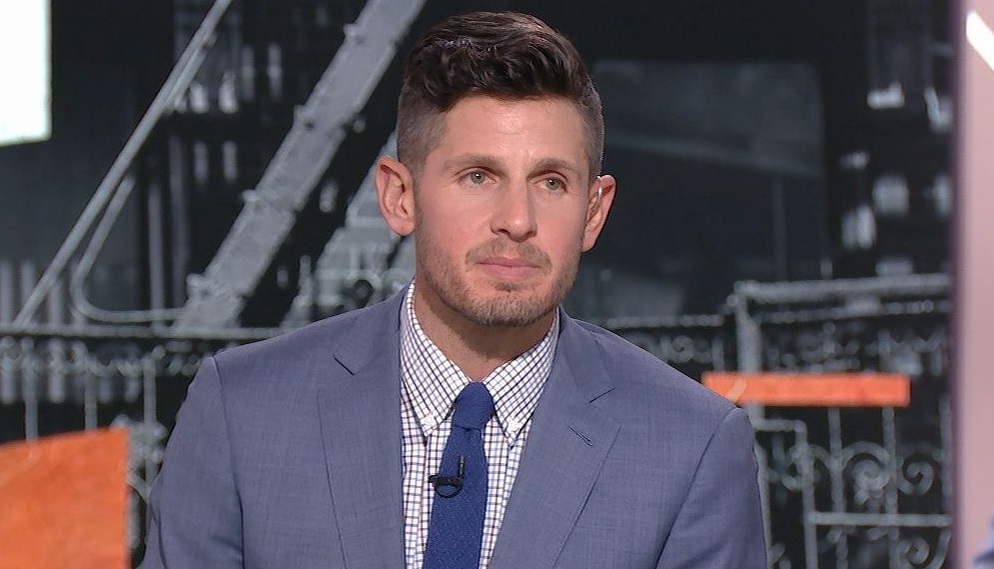
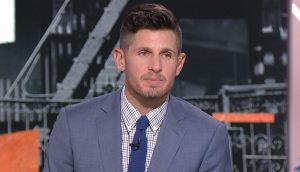
ESPN analyst Dan Orlovsky has seized the national sports discourse this week with a flurry of searing, tape-driven NFL assessments that disrupt consensus expectations. Rather than leaning on casual studio platitudes or convenient box scores, the former signal-caller has turned on the overhead projector and forced franchises to confront uncomfortable truths about their structural flaws, quarterback progressions, and roster depth.
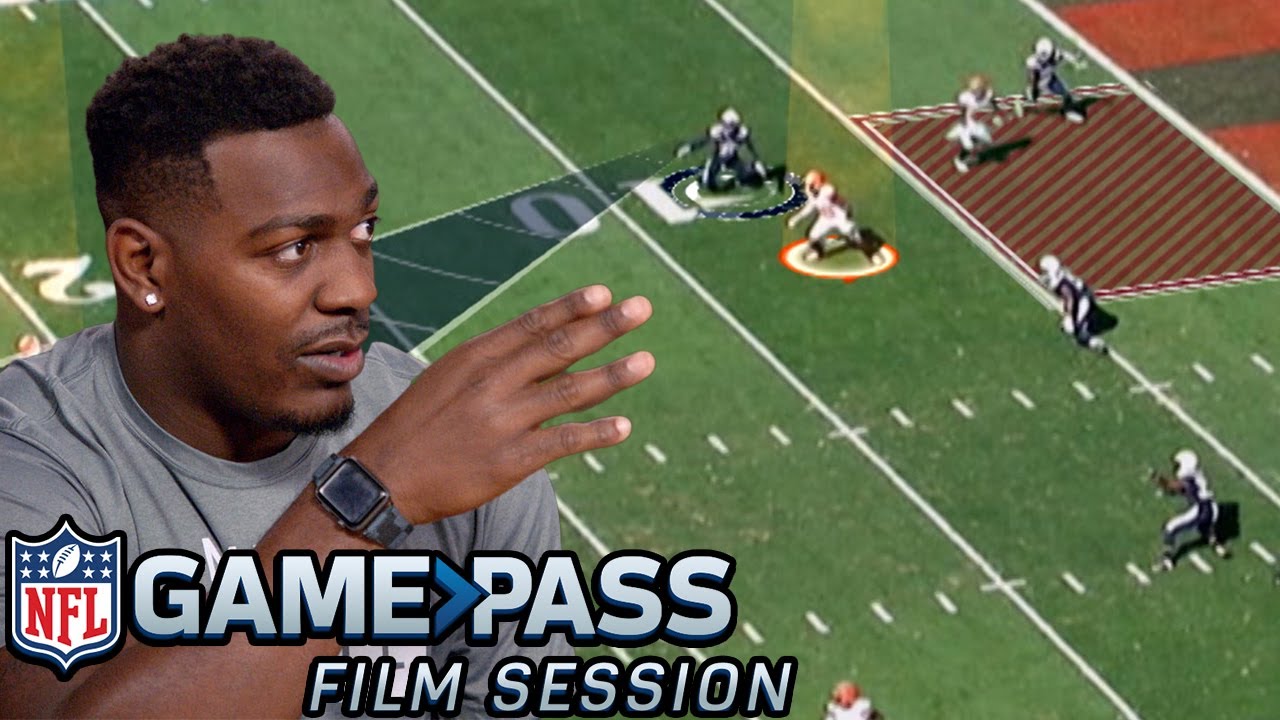
Orlovsky’s forensic approach to NFL film study has fundamentally changed how fans and executives consume weekly performances. Across prominent morning segments, digital audio deep-dives, and official team media channels, his evaluations have systematically challenged prevailing optimism in key locker rooms while illuminating mechanical breakthroughs in others. The resulting chatter reflects an appetite for genuine tactical clarity in an era saturated with performative commentary.
Why Film Analysis From Dan Orlovsky Now Drives the National NFL Conversation
Mainstream football commentary often oscillates between hyperbolic praise and reactionary panic. In contrast, the tape-grounded film analysis from Dan Orlovsky carries unmistakable weight because it bridges the chasm between raw execution and schematic design. Having spent a decade inside NFL quarterback rooms dissecting complex coverages, Orlovsky examines play design from the perspective of split-second processing, route distribution, and pocket integrity.
His commentary avoids decorative jargon and instead focuses on mechanical realities that decide competitive outcomes on third down and in red zone sequences. When an analyst with quarterback pedigree isolates the exact frame where an offensive line slide fails or an open pass-catcher goes unseen, it carries institutional credibility. That credibility was on full display over recent days as his evaluations reverberated through several major NFL markets grappling with crucial transitional moments.
Five Critical Assessments Reshaping Modern Football Narratives
The latest cycle of analysis covers an expansive range of storylines across both conferences. From high-stakes AFC contenders seeking offensive rhythm to NFC powerhouses recalibrating their line of scrimmage, five pointed breakdowns have commanded the spotlight.
Grave Concerns for the Baltimore Ravens in Atlanta
One of the week’s most striking alerts came through coverage highlighted by the Baltimore Ravens organization itself. As detailed in the team’s official reporting, Dan Orlovsky voiced deep anxiety regarding Baltimore heading into their clash in Atlanta, bluntly stating that he remains concerned about the Ravens facing the Falcons with or without Lamar Jackson on the field. That remark cut through the standard assumption that Jackson’s availability alone guarantees Baltimore offensive superiority.
The apprehension arrives during a fascinating evolutionary moment for Baltimore. Wide receiver Zay Flowers has surged into the broader Offensive Player of the Year conversation courtesy of electric separation and expanded route responsibilities, while offensive lineman Vega Ioane earned early All-Rookie Team honors from The Athletic for physical dominance in the trenches. Yet, Orlovsky’s hesitation underscores systemic schematic hurdles. If Baltimore cannot establish consistent protection and clean timing outside structure, even transcendent talent cannot mask execution lapses against disciplined defensive fronts.
Denver Broncos Quarterback Bo Nix Leaving Plays on the Turf
In the Rocky Mountains, the mood turned sharply critical following Denver’s setback against the San Francisco 49ers. As reported by Broncos Wire, former NFL quarterback Dan Orlovsky delivered harsh criticism directed at Denver rookie signal-caller Bo Nix, stressing that the young passer is actively leaving viable plays on the field. His tactical verdict was concise and unsparing: throw the ball.
Orlovsky’s critique singled out hesitancy and overthinking in the pocket. In Sean Payton’s rhythm-based passing architecture, receivers are engineered to uncover within strict timing windows. When a quarterback holds the football, drifts unnecessarily from his launch point, or double-clutches cleanly designed reads, offensive efficiency evaporates. Orlovsky made clear that Nix possesses the arm talent to succeed, but NFL secondaries close throwing windows in fractions of a second. Passing up intermediate opportunities to seek perfect looks ultimately stalls drives and places unfair burdens on defensive units.
Drake Maye Refining Mechanics on the Touchdown Strike
While Denver received tough medicine, New England fans were treated to an encouraging mechanical diagnosis. As reported by Yahoo Sports via the Next Pats Podcast, Dan Orlovsky broke down the refined footwork and release mechanics displayed by Drake Maye on a scoring connection to Romeo Doubs. The technical showcase offered tangible proof of the rookie’s rapid developmental trajectory.
During the breakdown, Orlovsky highlighted how Maye stayed completely balanced at the top of his drop, keeping his base broad without over-striding toward the target. In prior outings, young passers often compensate for pocket congestion by dropping their arm angles or throwing strictly with upper-body torque. Maye’s disciplined sequencing—clearing his hips and driving the football through tight coverage to Doubs—demonstrated the mechanical discipline required to translate raw collegiate tools into sustainable professional production.
Philadelphia Eagles Facing a Massive Vacuum After Lane Johnson Retires
In Philadelphia, the tone turned somber following seismic roster news. In a segment broadcast across ESPN platforms, Dan Orlovsky underscored the devastating nature of the announcement, labeling Lane Johnson’s retirement a significant loss for the Eagles. For more than a decade, Johnson served as the foundational anchor of Philadelphia’s perimeter protection and zone-blocking prowess.
Orlovsky illuminated the intricate operational void created by the All-Pro tackle’s departure. Johnson’s unique ability to erase elite edge rushers without chip assistance or dedicated tight end help allowed offensive coordinators to allocate resources elsewhere. Without that lockdown presence on the edge, protection schemes become inevitably compromised. Quarterbacks must accelerate their internal clocks, and offensive architects lose the schematic luxury of one-on-one isolations that defined Philadelphia’s offensive dominance over recent seasons.
Buffalo Bills Offensive Recalibration Before Meeting the Rams
Buffalo also found itself under the analytical microscope as the franchise mapped out its path to recovery. Appearing on One Bills Live alongside Chris Brown and Steve Tasker at One Bills Drive, Dan Orlovsky dissected the Buffalo scheme and previewed their upcoming clash against the Los Angeles Rams. The dialogue zeroed in on offensive timing, red zone shot distribution, and how Buffalo can counter nuanced defensive packages.
The conversation tied directly into wider roster attrition and positional uncertainty across the league. In preparing for dynamic opponents, franchises frequently battle physical limitations and critical health variables, as highlighted in Is DJ Moore Playing Week 5 Bills Face 3 Major Setbacks Before Rams Clash. Orlovsky stressed that when injuries dictate personnel adjustments, offensive coordinators cannot simply expect backups to replicate the exact route timing of primary starters; instead, route spacing and motion concepts must adjust to protect the quarterback from interior pressure.
The Strategic Ripple Effect Across NFL Front Offices and Lockers
Film evaluations from prominent analysts do not exist in an isolated media vacuum. Modern NFL front offices, coaching staffs, and player agents monitor external tactical breakdowns far more closely than public relations departments typically admit. When an analyst reveals repeated coverage busts or hesitation on tape, opposing defensive coordinators integrate those very observations into weekly advance scouting reports.
For young quarterbacks like Bo Nix, public mechanical critiques often mirror the exact feedback delivered in Tuesday team meetings. The challenge lies in translating analytical truth into game-speed conviction under the glare of defensive pressure. Similarly, offensive line coaches managing transitions—such as Philadelphia navigating life without Lane Johnson—must retool their entire protection lexicon to mask emerging structural vulnerabilities.
What the Gridiron Landscape Demands Heading into Midseason
The NFL season is defined by relentless tactical counter-punching. Early-season surprises inevitably collide with extensive game tape, stripping away initial schematic novelties until only pure execution survives. Teams that insulate themselves from honest self-scouting find their playoff aspirations derailed by mid-autumn.
The standard set by Dan Orlovsky underscores a broader shift toward uncompromising tactical honesty across football media. Whether highlighting the ascension of Drake Maye, probing the true ceiling of Baltimore’s balanced attack, or diagnosing the growing pains of Denver’s offense, tape study remains the ultimate referee. As franchises prepare for their next slate of decisive matchups, those capable of answering the specific schematic challenges raised on film are the only ones destined to endure.